

Views: 0 Author: Site Editor Publish Time: 2025-11-23 Origin: Site


In the world of industrial crushing, hammer mills and crushers play a crucial role in breaking down large, tough materials into smaller, manageable sizes. Whether it’s for mining, recycling, or manufacturing, the efficiency of crushers and the performance of the hammer heads are key factors that influence productivity and operational costs. Among the most essential components in a crusher are the crusher hammers—the parts responsible for the direct impact and crushing action.
In this article, we will explore the different types of crusher hammers, the materials they are made from, their various applications, and the advantages they offer in crushing industries. We will also discuss how these hammers contribute to enhancing the overall performance of crushers, helping industries meet their crushing needs efficiently.
Crusher hammers are heavy-duty components used in crushers, mills, and shredders to break down larger rocks, ores, or scrap materials. These hammers come in direct contact with the material being crushed, delivering high-impact forces that reduce the size of the material. Typically, crusher hammers are attached to a rotor and rotate at high speeds to strike materials forcefully.
The material being crushed is fed into the crusher chamber, where it is impacted by the hammers, causing it to break apart. Depending on the type of crusher, the hammers may also be designed to rotate, lift, and drop the material, improving the efficiency of the crushing process.
Hammers are generally designed to be interchangeable and can be replaced when worn out. Over time, the crushing process can wear down the hammers, requiring periodic maintenance and replacement to maintain the crusher's performance.
Crusher hammers come in several types, each designed to handle different materials, crushing processes, and levels of hardness. The most common types include:
High chrome hammers are made from a high-chromium alloy, which offers excellent resistance to wear and tear. This material is highly resistant to corrosion and abrasive wear, making it ideal for crushing harder materials, such as rocks and ores. High chrome hammers are often used in industries such as mining and recycling, where the materials being crushed are particularly abrasive.
Advantages of High Chrome Hammers:
Longer service life: Due to their high wear resistance, these hammers last longer compared to other types, reducing the need for frequent replacements.
Better efficiency: High chrome hammers maintain their sharpness and effectiveness throughout the crushing process, ensuring optimal crushing efficiency.
Corrosion resistance: The high chrome content offers protection against rust and corrosion, making these hammers suitable for applications involving wet or corrosive materials.
High manganese hammers are made from a steel alloy with a high percentage of manganese, typically around 12-14%. Manganese enhances the material’s toughness and hardness, allowing it to absorb high-impact forces without breaking or cracking. These hammers are ideal for crushing more brittle materials, such as limestone and coal, where high impact and strength are required.
Advantages of High Manganese Hammers:
Superior toughness: High manganese hammers have high shock resistance and are less prone to breaking under heavy impact.
Work-hardenable: These hammers tend to get harder the more they are used, meaning they improve in wear resistance as they impact the material.
Versatile: High manganese hammers are widely used in a variety of industries, including mining, cement, and power plants.
Compositive hammer heads combine different materials, such as steel and high-quality alloys, to form a more durable and efficient hammer. These hammers typically consist of a hard-wearing surface layer that offers wear resistance and a tougher core that provides structural strength. This combination makes them highly effective in dealing with both high-impact and abrasive materials.
Advantages of Compositive Hammer Heads:
Balanced performance: The combination of materials ensures that compositive hammers deliver both toughness and wear resistance.
Cost-effective: These hammers offer a good balance of performance and cost, as they last longer than regular steel hammers but are more affordable than high chrome or high manganese hammers.
Customizable: The materials used in compositive hammer heads can be tailored to meet the specific needs of a given application, making them suitable for a variety of industries.
ke edge that is effective in shredding tough metals such as steel, aluminum, and copper. They are designed to make precise cuts and efficient impact on metals, allowing for faster and more controlled shredding.
Advantages of Metal Crusher Knife Hammers:
Sharpness and precision: The knife edge ensures efficient cutting and shredding of tough metal materials, improving productivity.
Specialized for metal: These hammers are specifically designed for use in metal recycling, offering superior performance in the processing of scrap metal.
Enhanced control: The knife design provides more control during the shredding process, reducing wear and tear on the crusher.
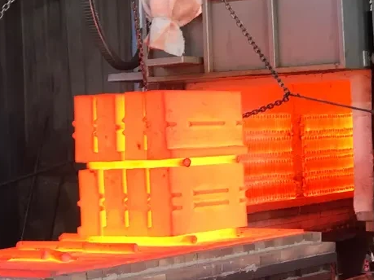
Crusher hammers are an integral part of the crushing process in hammer mills, crushers, and shredders. These machines use impact force to break down material by repeatedly striking it with high-speed rotating hammers.
The working principle behind the hammer is simple: The material enters the crushing chamber, and as the rotor spins, the hammers strike the material, causing it to break apart. The material is then forced through the screen or grid, which determines the size of the final product.
The efficiency of this process is determined by several factors, including:
Hammer speed: Faster hammer speeds result in greater impact energy, which increases the crushing power.
Hammer design: The shape and material of the hammer determine how well it can withstand wear and how effectively it can crush or shred the material.
Material hardness: The hardness of the material being crushed also affects how the hammer performs. Harder materials may require more robust hammers, such as high manganese or high chrome hammers.
Selecting the appropriate hammer for a crusher depends on several factors:
Material to be crushed: Consider the type of material you are processing. Harder and more abrasive materials, such as rocks or metals, may require high chrome or metal crusher knife hammers. Softer materials, such as coal, may perform better with high manganese hammers.
Crushing capacity: Larger crushers or those that need to process large quantities of material will benefit from hammers that offer extended service life and resistance to wear, such as high chrome or compositive hammers.
Application: The intended use of the crusher should be considered. For example, if the crusher is used in a recycling plant to process scrap metal, metal crusher knife hammers would be ideal due to their specialized design.
Cost-effectiveness: While high chrome and high manganese hammers offer superior performance, they are typically more expensive than other types. For less demanding applications, compositive hammers or high manganese hammers might provide a good balance of performance and cost.
The use of crusher hammers offers numerous advantages in industrial settings, particularly in the mining, construction, and recycling sectors.
Crusher hammers, especially those made from high chrome or high manganese alloys, are designed to provide high impact and wear resistance. This leads to faster and more efficient crushing of materials, reducing operational downtime and increasing throughput.
High-quality crusher hammers are built to withstand prolonged use and can last significantly longer than standard hammers. This reduces the frequency of replacements and lowers overall maintenance costs, which is crucial in large-scale industrial operations.
The versatility of crusher hammers, including the availability of different materials and designs, allows for customization. For example, metal crusher knife hammers are tailored specifically for scrap metal recycling, while high manganese hammers are ideal for handling softer, more brittle materials.
Although some high-performance hammers may have a higher initial cost, their durability and long service life often lead to greater cost-effectiveness in the long run. This is particularly true for high chrome and compositive hammers, which provide a balance between durability and price.
By using high-quality hammers designed for specific applications, industries can ensure that their crushers run smoothly and safely, reducing the risk of mechanical failures or accidents caused by worn-out parts.
Crusher hammers are vital components in the crushing and shredding processes that are central to numerous industries. With different types such as high chrome, high manganese, compositive, and metal crusher knife hammers, businesses have access to a variety of options suited to different materials, processes, and performance requirements. Choosing the right hammer for the application is critical for ensuring efficient operation, reduced downtime, and cost-effective production.
The versatility of crusher hammers—along with their ability to improve productivity, extend service life, and offer customized solutions—makes them indispensable to industries such as mining, metal recycling, chemical processing, and construction. The right selection of hammer can lead to significant performance improvements in crushers and mills, resulting in enhanced operational efficiency and lower overall costs.
For industries looking to optimize their crushing processes, understanding the different types of hammers and their applications can provide the edge needed to stay competitive in a rapidly evolving market.


