

Views: 0 Author: Site Editor Publish Time: 2026-03-09 Origin: Site


In cement production, wear cost is not a small background expense. It is a daily operating reality that affects grinding efficiency, media consumption, mill stability, maintenance schedules, and long-term production cost. Many cement plants focus heavily on output and power consumption, but the cost of grinding media loss is often just as important—especially in high-volume, continuous grinding systems. That is why the choice of High Abrasion Resistance Grinding Media matters so much. It is not only about using a “harder ball.” It is about using a grinding medium that wears more slowly, keeps its working size longer, and helps the mill stay efficient over a longer operating cycle.
Cement grinding is a high-wear process by nature. In mills handling clinker, slag, limestone, and blended materials, the grinding media is constantly exposed to:
impact
sliding abrasion
rolling friction
repeated collision
abrasive mineral contact
This means grinding media is a consumable by design. It is expected to wear. The real question is not whether wear happens—it is how fast it happens and what that wear does to the rest of the grinding process.
When wear is too fast, the plant usually sees more than one cost increase:
higher grinding media consumption
more frequent media replenishment
changing media grading inside the mill
less stable grinding efficiency
more maintenance pressure
possible effects on product fineness control
That is why wear cost should be understood as a system cost, not only a material replacement cost.
High Abrasion Resistance Grinding Media refers to grinding balls or cylpebs designed to resist surface loss and size reduction more effectively during grinding. In practical use, this usually means the media is engineered to offer:
stronger wear resistance under abrasive contact
more stable hardness distribution
better microstructure for long-term service
reduced mass loss over time
The purpose is not simply to make the media “harder” in a general sense. In cement grinding, the best media must balance:
wear resistance
impact performance
structural stability
breakage resistance
If the media resists abrasion well but becomes too brittle, that creates a different problem. So the real value of high abrasion resistance is when it is achieved together with reliable mechanical performance.
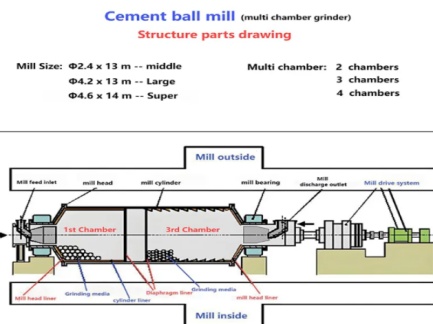
The most direct benefit is the simplest one: slower wear means fewer kilograms or tons of media consumed over time.
When grinding media has stronger abrasion resistance:
each ball or cylpeb loses mass more slowly
the media stays in service longer
the plant needs fewer top-up additions over the same operating period
This directly reduces media replacement volume.
In a cement plant running continuously, even a modest reduction in wear rate can create a significant cost difference over months or years. The more hours the mill runs, the more this matters.
Fast-wearing media does not only cost more in material volume. It also forces the plant to replenish more often.
Frequent replenishment can create:
more maintenance handling
more labor time
more interruptions to monitoring and mill management
less stable media grading inside the chamber
High abrasion resistance grinding media helps extend the interval between replenishment cycles. That gives the plant a more stable operating rhythm and reduces the day-to-day burden of constantly correcting for media loss.
In practical plant management, this helps simplify operations.
As grinding media wears, its diameter gradually becomes smaller. If wear is too fast, the internal grading of the mill changes more quickly than planned.
That can affect:
impact energy
grinding efficiency
material flow behavior
chamber balance
fineness consistency
When the media has better abrasion resistance, it keeps its effective working size longer. This means the designed media grading remains closer to the intended condition for a longer period.
The result is often:
more stable grinding action
better process consistency
less performance drop between media top-ups
This is an important hidden value. In many cases, wear cost is not just the cost of lost metal—it is also the cost of lost grinding stability.
In cement plants, maintenance teams already have enough to manage. If grinding media wears too quickly, that can increase operational attention in several ways:
more frequent media checks
more frequent additions and adjustments
faster shifts in mill performance
greater need to respond when output or fineness changes unexpectedly
High abrasion resistance grinding media reduces this wear-driven management pressure by allowing the mill to operate more steadily over longer periods.
This does not mean maintenance disappears. It means the plant can spend less time reacting to fast media loss and more time operating under a controlled plan.
That is a real cost advantage, especially in larger plants where uptime and maintenance coordination matter.
This is one of the most important points: the goal is not only to reduce media cost per ton of media purchased. The real goal is to reduce wear cost per ton of cement output.
A lower-priced grinding ball that wears quickly may look attractive at purchase stage. But if it causes:
higher consumption
more frequent top-ups
faster performance drift
more handling and monitoring
then the total operating cost may actually be higher.
High abrasion resistance grinding media often helps improve the total cost picture because it can reduce:
media usage rate
handling frequency
wear-related instability
operating inefficiency linked to rapid size loss
That is why serious cement plants usually evaluate grinding media based on lifecycle performance, not only unit purchase price.
Cost Area | Effect of Faster-Wearing Media | Effect of High Abrasion Resistance Grinding Media |
Media consumption | higher replacement volume | lower consumption over time |
Replenishment frequency | more frequent additions | longer intervals between top-ups |
Mill grading stability | changes faster | stays more stable longer |
Maintenance workload | more adjustment and monitoring | reduced wear-driven intervention |
Cost per ton output | can rise due to higher wear rate | better long-term cost control |
This table shows why wear resistance matters beyond the purchase invoice.
Cement plants are not occasional users of grinding media. They are continuous, high-volume operations. That changes the economics.
In a cement mill:
small wear differences accumulate quickly
continuous running amplifies media loss cost
process stability affects output and quality
maintenance efficiency affects plant coordination
A material choice that seems minor in a smaller operation can become a major cost factor in cement production simply because of the scale and operating hours involved.
That is why High Abrasion Resistance Grinding Media is especially valuable in cement plants compared with lower-duty grinding environments.
If media wears more predictably and more slowly, the plant can plan inventory more accurately. This reduces emergency purchasing pressure and helps procurement work more efficiently.
A more stable media size profile inside the mill often supports more consistent grinding behavior, which is useful for production control.
Less frequent replenishment means less manual or mechanical handling of media over time.
While grinding media is only one wear component in the system, a more stable grinding condition can help the whole mill operate under a more controlled wear pattern.
So, how does High Abrasion Resistance Grinding Media reduce wear cost in cement plants? It does so by reducing grinding media consumption, extending replenishment intervals, maintaining a more stable grinding profile, lowering wear-related maintenance pressure, and improving long-term cost per ton of output. In cement grinding, wear cost is not only about how much metal is lost—it is about how that wear affects the entire grinding process.
That is why the best grinding media is not simply the cheapest one to buy. It is the one that delivers lower total wear cost in real operation.
To learn more about high abrasion resistance grinding media solutions for cement plant applications, you are welcome to contact Anhui Ningguo Zhongrui Wear-resisting material Co., Ltd. for more information.
Its main benefit is slower wear, which helps reduce media consumption and lower long-term grinding cost in cement plants.
In many cases, yes—but only when it is balanced with good breakage resistance and suitable performance for the actual grinding conditions.
Because as media wears, its size and grading change, which can affect grinding energy, process stability, and mill performance.
No. The more useful measure is total cost in use, including wear rate, replenishment frequency, maintenance pressure, and impact on output stability.


