

Views: 0 Author: Site Editor Publish Time: 2026-01-01 Origin: Site


Understanding how a hammer crusher works is essential for anyone involved in material processing. Whether you're in mining, cement production, coal processing, or recycling, a hammer crusher offers a reliable and cost-effective way to reduce large materials into smaller, manageable sizes. In this article, we will explain the working principle of a hammer crusher, its components, types, and advantages, as well as its applications in various industries.
A hammer crusher, also known as a hammer mill, is a type of crusher used for material size reduction. It works by striking materials with high-speed rotating hammers. These crushers are mainly used in industries that deal with materials like coal, limestone, gypsum, and even construction debris. The primary function of a hammer crusher is to break down larger pieces of material into smaller, more manageable particles.
The hammer crusher works by using impact force to crush materials. The machine is equipped with a rotating rotor with hammers attached to it. As the rotor spins at high speed, the hammers strike the material, shattering it into smaller pieces. These particles are then processed further as they pass through the screen at the discharge end of the crusher.
The crusher's design allows for easy adjustment of the size of the crushed material by modifying the screen at the discharge point. This flexibility is one of the reasons hammer crushers are widely used across industries.
The key components that make up a hammer crusher include:
Rotor: The central component that holds the hammers and drives the crushing process.
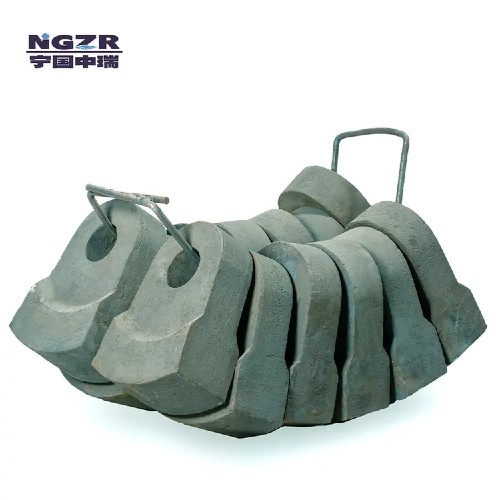
Hammers: Rotating elements that deliver the impact force to break down the material.
Screen: A grid that filters the crushed material to ensure the desired particle size is achieved.
Crusher Housing: The outer structure that holds all the components and ensures safe operation during crushing.
A hammer crusher is a powerful machine used for material size reduction. It operates by using rotating hammers to strike and break down materials. As the rotor spins, the hammers deliver high-speed impact to the material, causing it to fracture into smaller pieces. The material is then processed further to reach the desired particle size. Hammer crushers are ideal for handling softer materials such as coal, limestone, and gypsum, and are often used in industries like mining, cement, and recycling.
The material is fed into the crusher through a feed hopper. This material can range from large chunks of rock or ore to softer substances like coal or construction debris. The uniform feeding of the material is crucial for optimal performance and to prevent overload.
Once inside the crusher, the material is struck by the rotating hammers. These hammers are attached to the rotor, which spins at high speeds. The impact force from the hammers breaks down the material, causing it to fracture and reducing its size. The rapid movement of the hammers ensures that the material is effectively shattered into smaller pieces.
The material is further reduced in size as it continues to be hit by the hammers. The size reduction process is largely influenced by the rotor speed and the screen size. The particles continue to collide with the hammers until they reach the required size for further processing or use.
After the material has been adequately reduced, it exits the crusher through the screen or discharge chute. The size of the discharge is controlled by the gap between the screen and the hammers, which can be adjusted according to the desired output size. The material is now ready for use in various applications, such as in construction or power generation.
Single Rotor Hammer Crusher
The single rotor hammer crusher features one rotating rotor, which is commonly used in smaller operations or for less demanding material processing.
Double Rotor Hammer Crusher
This type has two rotors that rotate in opposite directions, providing increased crushing power. It is used for more extensive and heavy-duty applications.
Heavy-Duty Hammer Crusher
Designed for large-scale operations, heavy-duty hammer crushers are built with stronger components to handle tougher materials and higher throughput.
Hammer crushers are made up of several crucial components that work together to efficiently break down materials. These components include the rotor, hammers, screen, and housing. Understanding how these components work together is essential for optimizing crusher performance and ensuring long-term reliability.
Component | Description |
Rotor | The central shaft that holds and rotates the hammers to deliver impact force. |
Hammers | Attached to the rotor, these hammers strike the material with high force to break it down. |
Screen | A grid at the discharge point that filters the crushed material, ensuring uniform particle size. |
Crusher Housing | The outer structure that encases the rotor, hammers, and other components to ensure safe operation. |
The rotor is the driving force of the hammer crusher. It spins at high speeds, providing the necessary force to strike and break down materials. The rotor is the most important component of the machine, as its rotation directly influences the crusher's efficiency and performance.
Hammers are attached to the rotor and are the primary impact elements of the crusher. The material is struck by these hammers as the rotor spins, which causes the material to break into smaller pieces. Over time, the hammers wear out and need to be replaced, especially when processing abrasive materials.
The screen plays a critical role in determining the size of the output material. It allows smaller particles to pass through while retaining larger chunks. By adjusting the size of the screen, businesses can control the final output size of the material, ensuring that it meets specific processing requirements.
The housing encloses all the components of the crusher, providing structural integrity and ensuring that the machine operates safely. It is designed to withstand the stress and vibrations generated during the crushing process.
Hammer crushers are widely used across different industries for crushing a variety of materials. Their ability to handle different types of materials, especially softer and medium-hard materials, makes them versatile tools in material processing.
In the coal industry, hammer crushers are primarily used for breaking down coal into manageable sizes for use in power plants. The efficiency and ability to crush large volumes of coal make the hammer crusher an essential tool in coal processing.
In the cement industry, hammer crushers are used to crush raw materials like limestone, clay, and shale. These materials are then mixed and heated to produce clinker, the primary ingredient in cement.
Hammer crushers are highly effective in recycling construction waste, such as concrete, bricks, and asphalt. These materials are broken down into smaller, reusable aggregates, which can then be incorporated into new construction projects.
In addition to the above industries, hammer crushers are also used to process salt, wood, and plastics. The versatility of the hammer crusher allows it to process materials across various industries.
Hammer crushers offer several key advantages, making them a popular choice for industries requiring material size reduction. These benefits include high throughput capacity, versatility, cost-effectiveness, and more.
One of the main advantages of hammer crushers is their ability to handle high volumes of material. The design of the machine allows for faster processing speeds, which increases overall throughput. This makes hammer crushers ideal for high-demand operations that require rapid material breakdown.
Hammer crushers can handle a wide range of materials, from soft to medium-hard substances. This versatility makes them suitable for multiple industries, including mining, cement, and recycling.
Hammer crushers are generally more cost-effective than other types of crushers, such as cone crushers or jaw crushers. Their simpler design and lower initial cost make them an attractive option for small- and medium-sized operations.
The compact design of hammer crushers makes them suitable for operations with limited space. Their smaller footprint, combined with their high throughput capacity, allows them to perform well in both large and small-scale operations.
Several factors affect the efficiency and performance of a hammer crusher. Understanding these factors can help optimize the crusher’s operation and extend its lifespan.
The type of material being processed plays a significant role in the hammer crusher's performance. Hardness, abrasiveness, and moisture content can affect how easily the material is broken down and how much wear and tear occurs on the hammers.
Over time, the hammers in the crusher will experience wear due to the impact force. This wear can affect the efficiency of the crusher, requiring regular inspection and replacement of the hammers, especially when processing abrasive materials.
The speed at which the rotor spins can impact the size of the final output. Higher speeds typically result in finer output, while slower speeds can create coarser particles. The rotor speed should be adjusted based on the type of material being processed and the desired particle size.
Hammer crushers are used in various industries for different applications. Below are the primary industries and applications where hammer crushers excel:
In the mining industry, hammer crushers are used to break down ores and rocks, making it easier to extract valuable minerals. The high-speed impact of the hammers helps release minerals trapped inside hard rocks.
Hammer crushers are widely used in the cement industry to crush raw materials like limestone and clay. The crushed material is mixed and heated to produce clinker, which is then ground to make cement.
In coal processing, hammer crushers are used to reduce the size of coal, making it easier to transport and burn in power plants.
Hammer crushers are ideal for recycling construction waste, including concrete, bricks, and asphalt. They reduce the size of the material, making it reusable as aggregates for new construction projects.
Hammer crushers are essential machines for material size reduction in various industries. By using high-speed rotating hammers, they effectively break down materials into smaller particles. These crushers are particularly efficient for processing softer materials and are capable of handling high throughput, making them ideal for applications in industries such as mining, cement production, and recycling.
At Anhui Ningguo Zhongrui Wear-Resisting Material Co., Ltd., we specialize in providing top-quality hammer crushers designed to meet the diverse needs of different industries. Our crushers are engineered for durability and efficiency, helping businesses optimize their material processing operations. Whether you're dealing with coal, limestone, gypsum, or construction waste, our hammer crushers can deliver reliable performance and cost-effective solutions.
If you're looking for reliable and high-performance crushers, we invite you to contact us. Our experienced team is ready to help you select the right crusher for your specific needs and ensure that your operation runs smoothly and efficiently. Get in touch with us today to learn more about how our products can support your business goals.
What is the main function of a hammer crusher?
A hammer crusher is used to reduce the size of large materials by striking them with high-speed rotating hammers, breaking them into smaller, manageable pieces.
What materials can be processed by a hammer crusher?
Hammer crushers can process a variety of materials, including coal, limestone, gypsum, salt, and construction waste such as concrete and bricks.
How does a hammer crusher differ from a jaw or cone crusher?
Unlike jaw and cone crushers, which rely on compression, hammer crushers use impact force to break down materials, making them better for softer and brittle materials.
Can hammer crushers process hard materials?
While hammer crushers can process medium-hard materials, they are more efficient for softer materials. For very hard materials, cone crushers are typically preferred.
How can I optimize the performance of my hammer crusher?
Regular maintenance, consistent material feeding, and adjusting the screen size are key to optimizing the performance and lifespan of a hammer crusher.


