

Views: 0 Author: Site Editor Publish Time: 2025-11-24 Origin: Site


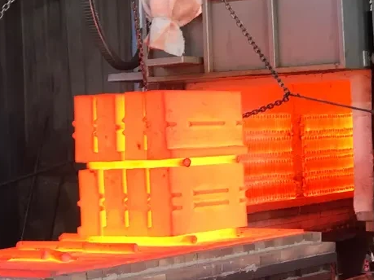
When it comes to selecting the right hammer heads for your crusher, the decision between high chrome and high manganese materials can significantly impact the performance and longevity of your equipment. Both materials offer unique advantages and are widely used in different industries for crushing and grinding various types of materials. Understanding the differences between these two types of hammer heads is essential for choosing the one that best suits your specific crushing needs.
In this article, we’ll explore the key differences between high chrome and high manganese hammer heads, including their materials, applications, advantages, and limitations. By the end, you’ll have a clearer understanding of which hammer head is better for your crusher, helping you make an informed decision that improves your operational efficiency and reduces maintenance costs.
Hammer heads (or hammers) are essential components of crushers, mills, and shredders. They are responsible for applying high-impact forces to break down large materials into smaller pieces, typically by striking the material with tremendous force. Hammer heads are attached to a rotating rotor in a crusher and are used to pulverize a variety of materials, such as rocks, ores, and metals.
The effectiveness of the hammer heads plays a crucial role in the performance of crushers, as the size reduction of materials depends on the hammers’ ability to withstand high-impact forces and abrasion. Hammer heads are typically made from steel alloys that are designed to be durable, tough, and resistant to wear.
A high chrome hammer head is made from an alloy steel that contains a high percentage of chromium (typically around 12% to 30%). This material is known for its superior resistance to abrasion, corrosion, and wear, making it ideal for crushing tough and abrasive materials like rocks and ores.
High wear resistance: Due to the high chromium content, these hammer heads can withstand high-impact forces and abrasive materials without wearing down quickly.
Corrosion resistance: Chromium offers excellent protection against rust and corrosion, making high chrome hammers suitable for applications involving moist or corrosive environments.
Hardness: High chrome hammers are hardened to a higher degree, allowing them to maintain their shape and sharpness longer than other materials.
Mining and quarrying: High chrome hammers are widely used in crushers for hard rock and ore processing due to their resistance to wear and tear.
Cement production: High chrome hammer heads are used in crushers for limestone and other hard materials.
Recycling: These hammer heads are also effective in crushing tough recyclable materials, including metals and glass, as they can withstand the high forces required.
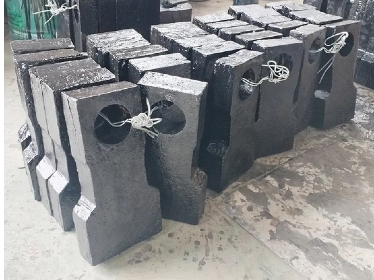
High manganese hammer heads, on the other hand, are made from manganese steel, typically containing 12% to 14% manganese. Manganese is known for its ability to absorb shock and provide toughness. This makes high manganese hammer heads highly resistant to impact and suitable for crushing more brittle materials.
Toughness: High manganese hammer heads are designed to be tough, meaning they can absorb high shock loads without cracking or breaking. They are highly impact-resistant, making them ideal for applications that involve the crushing of brittle materials.
Work-hardenable: One of the key features of high manganese hammer heads is that they harden over time as they are subjected to repeated impact. The more they are used, the harder they become, increasing their wear resistance.
Good for softer, brittle materials: While high manganese hammer heads are effective in high-impact applications, they are particularly suited for softer materials such as coal, limestone, and gypsum.
Coal crushing: High manganese hammer heads are ideal for crushing coal, as the material is brittle and requires hammers that can withstand high impact without breaking.
Limestone and gypsum processing: These hammers are often used in the cement and lime industries for breaking down softer materials like limestone and gypsum.
Recycling: High manganese hammers are also used in shredders for processing softer recyclable materials.
Now that we’ve established the properties and applications of both high chrome and high manganese hammer heads, let’s break down the key differences between these two materials:
High Chrome: High chrome hammer heads are primarily designed for abrasion resistance. They excel at withstanding the wearing effect of hard and abrasive materials such as rocks and ores. Their high hardness keeps them sharp and effective for long periods, making them ideal for tough, abrasive applications.
High Manganese: High manganese hammer heads are better suited for impact resistance. They are not as hard as high chrome hammers, but they can absorb shock and withstand high impact forces without cracking or breaking. The material becomes harder the more it is used, making it ideal for handling brittle materials like coal and limestone.
High Chrome: The high chromium content in these hammer heads provides superior durability in applications involving abrasive materials. They are highly resistant to wear and corrosion, making them more suitable for applications in harsh environments where the materials being crushed are particularly tough or abrasive.
High Manganese: High manganese hammers are incredibly durable but not as wear-resistant as high chrome hammers. While they are impact-resistant and have excellent shock-absorbing properties, they may wear out more quickly when used for highly abrasive materials.
High Chrome: Ideal for crushing hard, abrasive materials, such as rocks, ores, and metals. High chrome hammers are used extensively in the mining, cement, and recycling industries where materials are abrasive, and long-lasting wear resistance is needed.
High Manganese: Best suited for processing brittle materials, such as coal, limestone, and gypsum. These hammers are commonly used in the coal industry and for softer materials that require high-impact forces but are not as tough or abrasive.
High Chrome: High chrome hammer heads are typically more expensive than high manganese hammers due to the higher cost of chromium and the complex production process. However, their long service life and reduced maintenance needs may justify the higher upfront cost in applications that require durability and resistance to wear.
High Manganese: High manganese hammers are generally less expensive than high chrome hammers. They are a cost-effective option for industries that process softer materials or where the shock resistance of the material is more important than wear resistance.
High Chrome: Due to their resistance to wear, high chrome hammers typically last longer and require fewer replacements. However, once they start to wear down, they can become brittle and more prone to cracking.
High Manganese: High manganese hammer heads become harder with use, making them increasingly resistant to wear over time. However, they may require more frequent maintenance and replacement compared to high chrome hammers, particularly in applications where the crushing material is more abrasive.
Choosing between high chrome and high manganese hammer heads depends on several factors:
If you are crushing hard, abrasive materials (like rocks, ores, or scrap metal), high chrome hammers will offer superior performance because they are resistant to wear and tear.
If you are dealing with softer, more brittle materials (such as coal, limestone, or gypsum), high manganese hammers will provide the toughness and shock resistance needed for effective crushing.
For applications involving high-impact forces (e.g., crushing brittle materials like coal), high manganese hammers are the better choice, as they can absorb the shock and increase their hardness with use.
If your crushing process requires constant, high abrasion resistance with minimal wear, high chrome hammers will be more efficient in the long run.
High chrome hammers offer a longer lifespan in abrasive applications but come at a higher cost. If the application involves demanding conditions, investing in high chrome may be worthwhile to reduce downtime and maintenance costs.
High manganese hammers, while more affordable, might need more frequent replacement in highly abrasive environments. However, they are perfect for industries where shock resistance is a priority, and the cost-effectiveness of frequent replacements is acceptable.
High chrome hammers require less frequent maintenance, which means longer operational periods before needing replacement. This is a significant advantage in high-volume production environments where uptime is critical.
High manganese hammers, while cost-effective, may need to be replaced more often. However, their ability to withstand high-impact crushing makes them suitable for industries that prioritize toughness over wear resistance.
Both high chrome and high manganese hammer heads have distinct advantages and are suited for different crushing applications. High chrome hammers are best for crushing hard, abrasive materials, offering superior wear resistance and longer service life. On the other hand, high manganese hammers are ideal for industries that deal with brittle materials, providing excellent shock absorption and toughness.
The choice between high chrome and high manganese hammer heads ultimately depends on the type of material you are crushing, the wear conditions, and the operational demands of your crusher. By understanding the differences between these two materials, you can select the hammer head that best fits your needs, improving both the efficiency and longevity of your crusher while keeping maintenance costs under control.
In conclusion, whether you choose high chrome or high manganese hammer heads, it is essential to select the right material for your specific crushing requirements. Both offer significant benefits, and with the right choice, you can maximize performance, minimize downtime, and increase the overall productivity of your crushing operations.


