

Views: 0 Author: Site Editor Publish Time: 2025-10-09 Origin: Site


Grinding balls are a fundamental component in modern mining, cement production, and industrial milling operations. They serve as the primary grinding media inside mills, transferring energy from the mill to the material being processed. The efficiency of a mill, whether it is a SAG (Semi-Autogenous Grinding) mill, a ball mill, or a cement mill, is heavily influenced by the type, size, and material of the grinding balls used.
Selecting the right grinding ball material is critical. The properties of the grinding media—including hardness, toughness, wear resistance, and impact strength—directly affect the performance of milling operations. Efficient grinding media can improve throughput, reduce energy consumption, lower operational costs, and extend the lifespan of both the media and the mill liners.
Common grinding ball materials include steel, high-chromium steel, and alloy steel, each offering distinct advantages and limitations. Understanding these materials helps mining and cement operators make informed decisions to optimize their milling processes.
Steel grinding balls, particularly those made from carbon steel, are among the most widely used grinding media in mining, cement, and industrial milling operations. These balls are typically manufactured from medium or high carbon steel, providing an optimal balance between hardness and toughness for general grinding applications.
Key properties of steel grinding balls include:
Hardness: Steel balls are sufficiently hard to crush and grind a wide range of ores, ensuring effective size reduction in both SAG and ball mills.
Toughness: They can withstand repeated impact without excessive cracking or deformation, making them suitable for continuous milling operations.
Moderate Wear Resistance: While not as durable as chromium or alloy balls, steel grinding balls offer adequate wear resistance for less abrasive ores and standard milling conditions.
The versatility of steel grinding balls allows them to perform reliably under a wide variety of operational scenarios, making them a practical choice for many milling applications.
Steel grinding balls are ideal for general mining operations and cement grinding due to their balance of cost and performance. They are particularly advantageous in large-scale operations, where extensive quantities of grinding media are required.
Common applications include:
Copper, iron, and non-abrasive ores: Steel balls efficiently crush these ores, providing consistent particle size reduction.
Cement clinker grinding in ball mills: The moderate hardness and toughness of steel balls ensure effective grinding without excessive wear.
General industrial milling: Suitable for operations where extreme wear resistance is not the primary concern, providing reliable and consistent performance.
Advantages:
Cost-Effective: Steel grinding balls are economical and widely available, making them suitable for large-volume operations.
Reliable Performance: They deliver consistent grinding efficiency in standard milling conditions without the need for specialized handling.
Limitations:
Moderate Lifespan: Steel balls wear faster than chromium or alloy grinding balls, which may increase operational downtime.
Frequent Replacement: Hard or abrasive ores accelerate wear, requiring more frequent media replacement and maintenance.
Steel grinding balls remain a practical choice for operations prioritizing economical solutions and general grinding performance, particularly when operational conditions are moderate and ore abrasiveness is manageable.
Chromium grinding balls are manufactured from high-chromium steel, typically containing 12–25% chromium. This material composition imparts exceptional hardness, superior wear resistance, and enhanced impact strength, making chromium balls ideal for demanding milling environments.
Key characteristics include:
High Impact Resistance: Chromium balls can withstand the repeated stress and collisions inside SAG and ball mills without cracking.
Abrasion Resistance: Their superior hardness ensures minimal size reduction due to wear, extending the service life of the grinding media.
Corrosion Resistance: High-chromium content protects against oxidation and degradation when milling ores with moisture or chemically reactive components.
These properties make chromium grinding balls a reliable choice for operations that require consistent performance and long-term durability.
Chromium grinding balls are particularly effective for:
Hard ore grinding in mining: Ideal for ores such as copper, gold, and iron, where standard steel balls would wear too quickly.
Cement mills requiring fine grinding: The high hardness of chromium balls ensures uniform particle size, critical for high-quality cement production.
SAG and ball mill operations: Particularly where minimizing downtime and media replacement is a priority due to high operational costs.
By using chromium grinding balls, operators can enhance mill throughput, reduce energy consumption, and maintain consistent product quality, even under demanding conditions.
Advantages:
Longer Service Life: Chromium balls maintain their size and hardness for extended periods, reducing the frequency of replacement.
Improved Mill Efficiency: Consistent grinding performance ensures uniform particle size and optimal throughput.
Lower Operational Costs: While initial investment is higher, the reduced replacement frequency and improved efficiency lower overall operational expenses.
Limitations:
Higher Initial Cost: Chromium balls are more expensive than standard steel grinding balls.
Handling Considerations: Their increased hardness requires careful handling during production, transportation, and installation.
Chromium grinding balls are ideal for operations where durability and performance outweigh initial cost considerations, particularly in hard ore or high-stress milling scenarios.
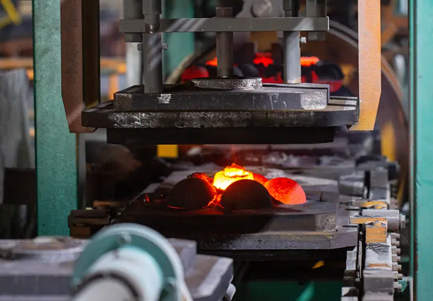
Alloy grinding balls are engineered from steel alloys containing multiple elements, such as nickel, molybdenum, or manganese, to achieve enhanced hardness, toughness, and wear resistance. The alloying process allows manufacturers to tailor properties for extreme milling conditions, including high abrasion and high-impact applications.
Key advantages of alloy balls include:
Maximum Hardness and Wear Resistance: Ensures minimal size reduction under prolonged operation.
Enhanced Toughness: Resistant to cracking, chipping, or deformation during high-impact grinding.
Tailored Performance: Can be customized for specific ores, mill types, or operational requirements.
Alloy grinding balls are designed for high-performance milling environments, where media longevity and milling efficiency are critical.
Alloy grinding balls are suited for heavy-duty SAG and ball mill operations, including:
Highly abrasive ore processing: Where standard steel or chromium balls wear too quickly.
High-throughput cement grinding operations: Supporting mills operating at maximum capacity with minimal downtime.
Extreme mill conditions: Such as high-impact, high-stress, or high-temperature environments, where media durability is essential.
By deploying alloy grinding balls, operators achieve consistent particle size, enhanced milling efficiency, and reduced operational interruptions.
Advantages:
Maximum Wear Resistance: Alloy balls offer the longest service life among all grinding media.
Reduced Downtime: Less frequent replacement leads to more continuous operation and higher throughput.
Consistent Performance: Maintains uniform particle size, improving downstream processing and product quality.
Limitations:
Higher Cost: Alloy balls are more expensive than steel or chromium balls.
Specialized Applications: Best suited for critical milling operations where operational efficiency and media longevity are priorities.
Alloy grinding balls are the preferred choice for high-stress, high-abrasion milling operations, ensuring long-term performance and operational cost savings.
When selecting grinding media, it is essential to weigh performance against cost.
Feature | Steel Balls | Chromium Balls | Alloy Balls |
Hardness | Moderate | High | Very High |
Toughness | Moderate | High | High |
Wear Resistance | Moderate | Superior | Maximum |
Lifespan | Shorter | Longer | Longest |
Cost | Low | Medium | High |
Typical Use | General mining/cement | Hard ores, fine grinding | Extreme conditions, high-throughput mills |
Selection Considerations:
Ore Type: Hard ores benefit from chromium or alloy balls.
Mill Conditions: High-impact, high-abrasion mills require alloy media.
Operational Goals: Cost-sensitive operations may favor steel balls; efficiency-focused operations may prioritize chromium or alloy.
To maximize mill efficiency and reduce operational costs, consider the following strategies:
Coarse grinding favors larger balls to crush hard ores.
Fine grinding requires smaller balls for uniform particle size.
Mixed-size charges often optimize SAG and ball mill performance.
Select steel for general applications.
High-chromium for hard ores or cement clinker.
Alloy for extreme conditions, abrasive ores, and high-throughput operations.
Correct loading ensures optimal energy transfer and grinding efficiency.
Regular monitoring reduces over-grinding, media loss, and downtime.
Combining steel, chromium, and alloy balls can balance cost and performance.
Mixed media improve grinding uniformity, energy efficiency, and reduce overall operational costs.
Proper media selection and maintenance directly translate into enhanced mill throughput, reduced energy consumption, and longer equipment lifespan.
Grinding ball material selection is a critical factor in maximizing milling efficiency in mining, cement, and industrial operations. Steel, chromium, and alloy grinding balls each offer unique advantages:
Steel: Economical, versatile, and suitable for general milling.
Chromium: Superior wear resistance and durability for hard ores and fine grinding.
Alloy: Maximum efficiency and longevity for extreme conditions.
Strategically choosing the right grinding ball type, hardness, and size ensures consistent particle size, reduced downtime, lower energy consumption, and cost-effective operation.
For operators seeking optimal mill performance, consulting with high-quality grinding media suppliers, such as Anhui Ningguo Zhongrui Wear-Resisting Material Co., Ltd., can provide tailored solutions. Selecting premium grinding balls for SAG, ball, and cement mills is a long-term investment that enhances productivity, reduces operational costs, and supports sustainable industrial operations.


