

Views: 0 Author: Site Editor Publish Time: 2026-01-04 Origin: Site


In the world of mining and materials processing, mills play an essential role in reducing raw materials into finer products. The efficiency and longevity of these mills are highly dependent on the mill liners used in their construction. Mill liners are designed to protect the inner walls of the mills, reduce wear and tear, and enhance grinding performance. The material used for mill liners plays a crucial role in determining their lifespan, efficiency, and maintenance cost.
In this article, we will explore the different materials used for mill liners, their benefits, and how to select the right material based on your mill type and application. We will also discuss NGZR's expertise in providing high-quality mill liner solutions, leveraging over 30 years of experience in the industry.
Mill liners are protective components installed inside grinding mills to prevent wear and tear of the mill shell. They act as barriers between the grinding media and the mill's internal surfaces, absorbing the impacts and abrasions that occur during the grinding process. These liners are essential for maintaining the mill's structural integrity, optimizing grinding efficiency, and extending the life of the equipment.
Protecting the Mill Shell: Mill liners prevent the grinding media from directly contacting the mill shell, reducing wear and preventing damage.
Improving Grinding Efficiency: The design of the liners helps to control the motion of the grinding media, which directly impacts grinding efficiency and throughput.
Minimizing Maintenance Costs: High-quality liners reduce the need for frequent repairs and replacements, leading to lower maintenance costs.
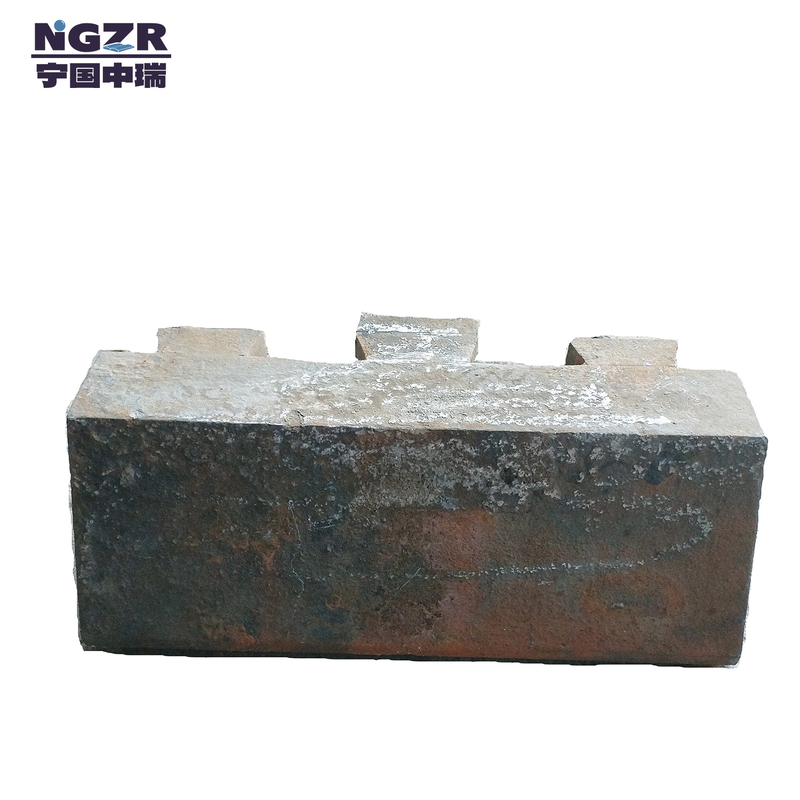
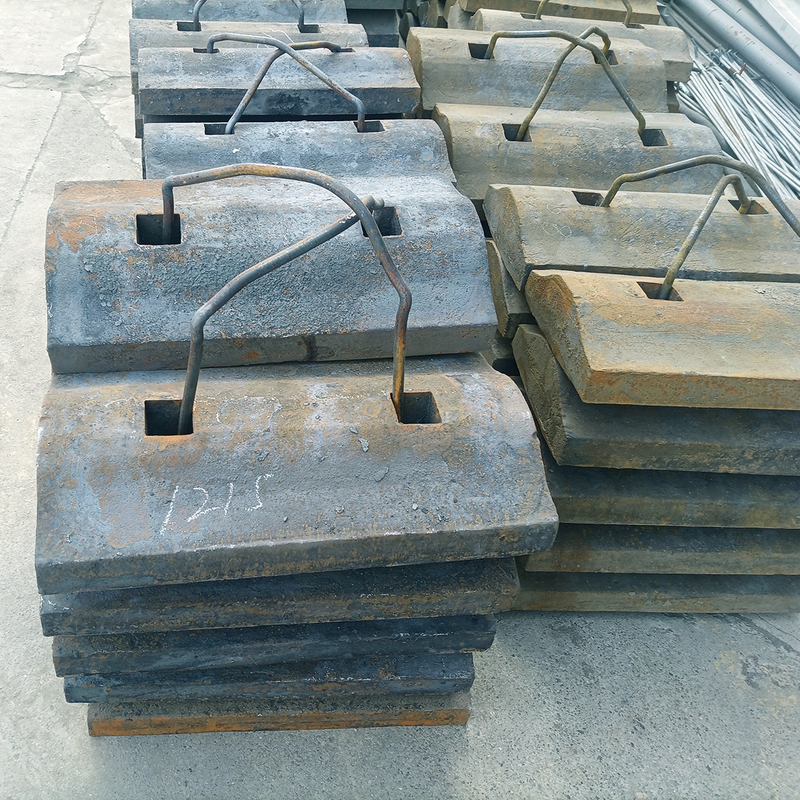
The material used for mill liners plays a vital role in their wear resistance and overall service life. Harder materials tend to have a longer lifespan and can withstand heavy abrasion, making them ideal for high-impact grinding processes. For example, high chromium alloys or high-manganese steel can offer excellent wear resistance in mills that process hard minerals.
The performance of the mill is closely linked to the material of the liners. Different materials influence the flow and interaction of grinding media, which directly affects grinding efficiency. For example, wave liners are designed to optimize the lift of grinding media, which can improve grinding efficiency.
Using the right mill liner material reduces wear on the mill, which in turn reduces downtime and the frequency of repairs. Materials such as rubber or composite liners can lower maintenance costs due to their ease of installation and less frequent need for replacement.
Alloy steel is one of the most common materials used for mill liners, particularly in high-impact applications. Steel liners offer superior durability and strength, making them ideal for use in ball mills and SAG mills.
High Manganese Steel: Known for its high toughness and resistance to impact and abrasion, high manganese steel is often used in ball mill liners. The material hardens during use, improving its wear resistance over time.
High Chromium Steel: High chromium steel liners offer superior abrasion resistance and are used in applications where high wear rates are encountered, such as in SAG mills.
Rubber liners are ideal for applications where noise reduction, flexibility, and cost-effectiveness are priorities. Rubber is lighter than steel and has excellent shock absorption properties, making it suitable for mills that handle softer materials or operate at lower speeds.
Benefits: Rubber liners provide noise reduction and have a longer lifespan in wet grinding environments. They are often used in SAG mills for lighter-duty grinding applications.
Drawbacks: Rubber liners are less durable in high-impact environments and may not be suitable for mills that handle harder minerals or higher throughput.
Composite liners combine the benefits of both steel and rubber, offering a blend of durability and flexibility. These liners are designed to withstand the high impacts of grinding media while reducing the noise and vibration associated with steel liners.
Benefits: Composite liners are ideal for mills that experience both high-impact and abrasive conditions, as they offer a balance of wear resistance and shock absorption. They are often used in SAG mills and other high-load applications.
Drawbacks: Composite liners can be more expensive to manufacture and install than rubber liners.
Ni-Hard and Cr-Mo alloy steel liners are used in mills that handle highly abrasive materials. These materials offer superior resistance to wear and are often used in mills that grind heavy, coarse materials such as ores and rocks.
Ni-Hard: Known for its hardness and resistance to abrasive wear, Ni-Hard is used in vertical grinders and ball mills that handle abrasive materials.
Cr-Mo Alloy Steel: This alloy is commonly used for SAG mill liners due to its toughness and impact resistance.
Alloy Steel: Provides superior strength and durability in high-impact applications. Ideal for ball mills and SAG mills with coarse grinding.
High Manganese Steel: Offers high toughness and self-hardening properties, making it suitable for ball mills and applications with moderate to heavy impacts.
Rubber Liners: Best for lighter-duty applications where shock absorption and noise reduction are required. Ideal for SAG mills and wet grinding conditions.
Metallic Liners: Provide better resistance to high-impact and abrasive forces, making them more suitable for ball mills and SAG mills dealing with harder minerals.
Composite liners offer the best of both worlds by combining the strength of metal with the flexibility of rubber. These liners are highly effective in mills that experience both impact and abrasion, and they are designed to last longer than rubber liners while still providing noise reduction and ease of installation.
When selecting the right mill liner material, several factors need to be considered:
Mill Type: Different materials are better suited for different mill types (e.g., ball mills, SAG mills, vertical grinders).
Material Hardness: The hardness of the material being processed will influence the choice of liner. Harder materials typically require harder liners.
Grinding Conditions: Wet vs. dry grinding, high-impact vs. low-impact grinding—each condition demands different liner materials.
Cost: The cost of liners varies depending on the material, with rubber and composite liners typically being more cost-effective for lighter-duty applications.
Ball Mills: Alloy steel or high manganese steel liners are best for heavy-duty grinding.
SAG Mills: High chromium steel or composite liners are ideal for high-impact and coarse grinding environments.
Vertical Grinders: Ni-Hard and Cr-Mo liners are recommended for highly abrasive grinding operations.
The development of new materials and composite technologies has greatly improved the wear resistance of mill liners. Innovations such as high-performance rubber compounds and multi-layer liners have further enhanced the longevity and performance of mill liners.
New technologies have also made it easier to customize mill liners based on specific grinding conditions. Advanced design tools allow for precise liner geometry to optimize grinding efficiency and minimize wear.
Mill liners are an essential part of the grinding process in various industries. The material used for mill liners directly affects the mill's performance, lifespan, and maintenance costs. At NGZR, we have over 30 years of experience providing high-quality, customized mill liner solutions for our clients. Whether you need alloy steel, rubber, composite, or Cr-Mo liners, we ensure the highest standards in performance and reliability.
For more information on our mill liners and other wear-resistant solutions, feel free to contact us today!
What material is best for mill liners?
Alloy steel, high manganese steel, and rubber are the most common materials used for mill liners, each offering different benefits depending on the milling conditions.
Can rubber liners be used in all types of mills?
Rubber liners are ideal for wet grinding and lighter-duty applications. For high-impact and abrasive environments, alloy steel or composite liners are preferred.
How do composite mill liners compare to traditional steel liners?
Composite liners combine the benefits of steel and rubber, offering greater durability and wear resistance while still providing noise reduction.
How often should mill liners be replaced?
Mill liners should be replaced when they reach about 50-70% of their original thickness, or when they show signs of cracking or severe wear.
What is the impact of the material choice on the mill's efficiency?
The right liner material can significantly improve grinding efficiency by optimizing the motion of the grinding media and reducing energy consumption.


