

Views: 0 Author: Site Editor Publish Time: 2025-12-31 Origin: Site


In the mining and materials processing industries, mills are crucial for grinding and reducing raw materials into finer products. One of the key components that ensure the efficient and safe operation of grinding mills is the mill liner. A mill liner serves not only as a protective element but also plays a significant role in improving the mill's performance, efficiency, and overall lifespan. In this article, we will explore the primary purposes of mill liners, how they contribute to the grinding process, and the different types and materials commonly used. We will also highlight NGZR's expertise in providing high-quality, durable mill liners for various grinding mills, backed by over 30 years of industry experience.
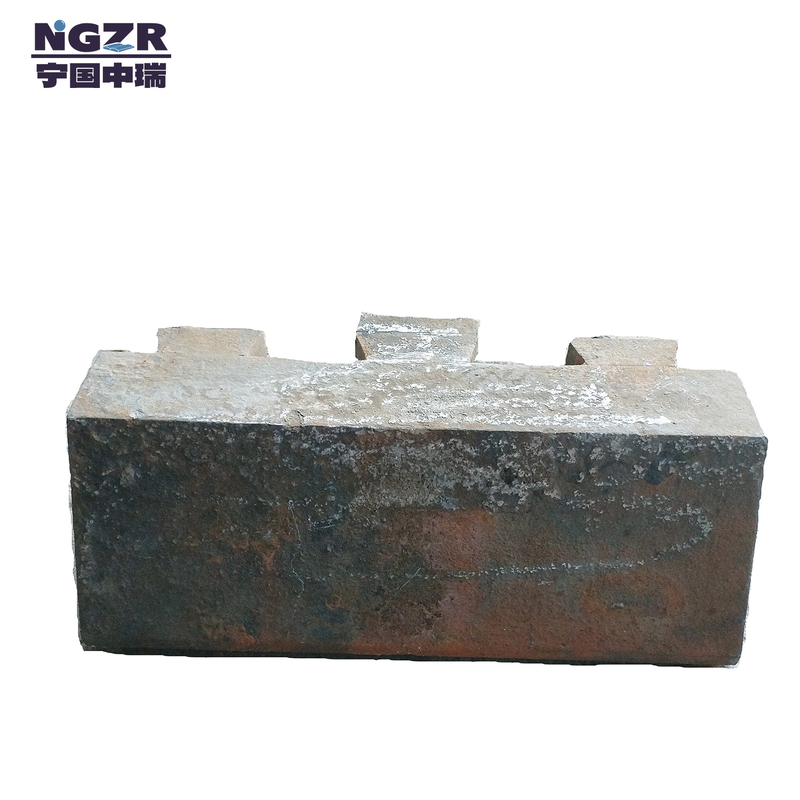
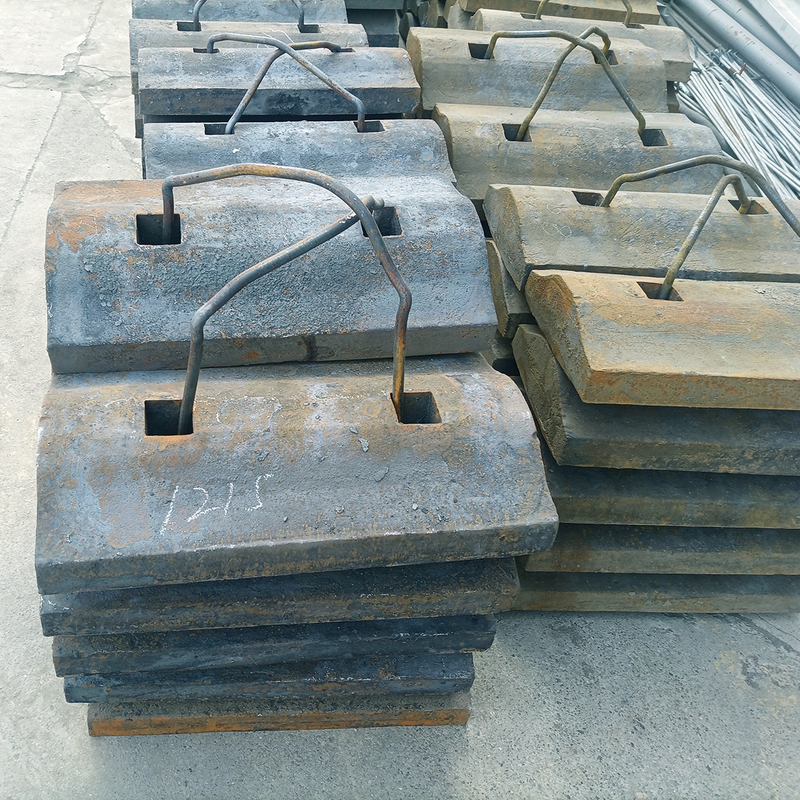
A mill liner is a protective layer installed inside a grinding mill, such as a ball mill, SAG (Semi-Autogenous Grinding) mill, or vertical grinder. Its primary purpose is to protect the inner walls of the mill from wear and tear caused by the grinding process. By doing so, mill liners help extend the life of the mill shell, enhance grinding efficiency, and reduce maintenance costs.
Mill liners are designed to withstand heavy impact, abrasive forces, and high temperatures while providing optimal support to the grinding media (balls, rods, etc.) and the material being processed. These liners are typically made from materials that are strong, durable, and resistant to wear, such as high manganese steel, alloy steel, rubber, and composite materials.
The most fundamental purpose of a mill liner is to protect the mill shell from the abrasive and impact forces exerted by the grinding media. Without a liner, the grinding media would directly contact the mill shell, causing severe damage and accelerating wear. This could lead to costly repairs and downtime.
Mill liners act as a barrier between the grinding media and the mill shell, absorbing the impact and protecting the mill's structural integrity. By reducing the wear on the mill shell, the liners help prolong the life of the mill and prevent the need for frequent repairs or replacements.
Mill liners help reduce the wear and tear on both the mill shell and the grinding media. By providing a cushioning effect, liners prevent direct contact between the grinding media and the mill shell, thereby minimizing the amount of wear caused by friction and impact.
The right type of mill liner can significantly reduce maintenance costs by extending the lifespan of the mill. Additionally, high-quality liners can reduce downtime, as they wear more slowly and require less frequent replacement. This ultimately leads to cost savings for operators and higher productivity.
Mill liners also play a crucial role in improving the grinding efficiency of a mill. The design and shape of the liner influence the movement of the grinding media within the mill, which in turn affects how effectively the material is ground.
Liners can be designed to optimize the flow of materials and the grinding media. For example, wave liners are designed to enhance the lift of the grinding media, which results in better grinding performance. Properly designed liners help ensure that the grinding media moves in a controlled manner, allowing for a more efficient grinding process and improved throughput.
Another important function of mill liners is to optimize the energy transfer between the mill and the grinding media. The liner design plays a crucial role in ensuring that the mill’s rotational energy is efficiently transferred to the grinding media. When the energy is well-transferred, it increases the grinding efficiency while reducing energy consumption.
This optimized energy transfer reduces the amount of energy required for the grinding process, which can lead to lower operational costs and improved overall mill performance.
Mill liners contribute to the safety and stability of grinding mills by controlling the movement of the grinding media and reducing the risk of excessive vibrations and noise. Liners made from materials like rubber help reduce noise levels and absorb vibrations, making the mill safer for operators and more comfortable to work with.
Additionally, liners that are well-designed can help minimize the risk of catastrophic failures, such as fractures in the mill shell, by preventing excessive wear and tear.
In addition to protecting the mill shell, mill liners help control the flow of materials and grinding media inside the mill. The design of the liners can influence how the material flows through the mill, which directly affects the efficiency of the grinding process.
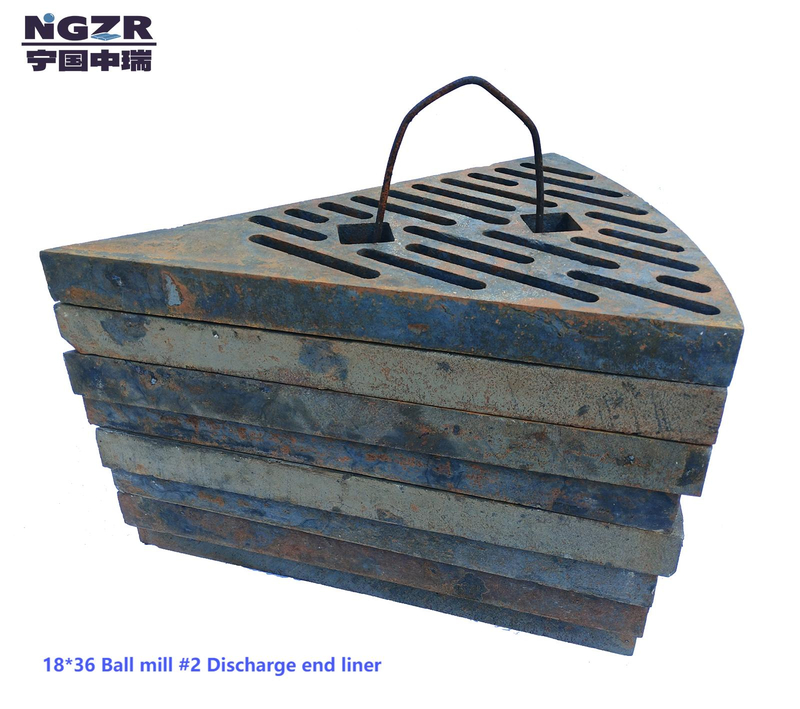
Liners with specific shapes, such as lifters, classifying liners, and discharge liners, are used to control the movement of the grinding media and the material being processed. By optimizing the flow dynamics, liners help ensure that the grinding process is as efficient as possible.
Mill liners help reduce the wear and tear on other mill components, such as the bearings, shells, and drives. By acting as a buffer between the grinding media and the mill shell, the liners prevent direct contact that could cause damage to these critical components.
By extending the life of these components, mill liners contribute to the overall durability of the mill and reduce the need for costly repairs and replacements.
Some mill liners, particularly those made from rubber or composite materials, help reduce noise and vibration during the grinding process. These liners absorb vibrations and minimize the amount of noise produced, creating a safer and more comfortable working environment.
Noise and vibration control is especially important in mills that operate in residential or sensitive areas, as excessive noise and vibrations can lead to environmental concerns and worker fatigue.
The design and material of the mill liner have a direct impact on the throughput of the mill. A well-designed liner helps ensure that the grinding media moves efficiently within the mill, resulting in improved grinding performance and higher throughput.
Liners with shapes designed to increase the lifting action of the grinding media, such as wave liners, can significantly improve the efficiency of the grinding process, allowing for more material to be processed in less time.
The choice of mill liner can also influence the amount of energy consumed by the grinding process. Liners that are designed to optimize the movement of the grinding media can reduce the amount of energy required for grinding, which in turn lowers operational costs.
By using high-quality, well-designed mill liners, operators can achieve the same or better grinding performance with less energy consumption, leading to significant cost savings over time.
Mill liners can also influence the particle size distribution of the ground material. By optimizing the movement of the grinding media and controlling the flow of material, liners help achieve a more uniform grinding process, leading to a consistent particle size distribution.
This is particularly important in industries where the desired product requires specific particle size ranges, such as in cement production or mineral processing.
The material used for mill liners plays a crucial role in their performance and durability. Common materials used for mill liners include:
Alloy Steel: Provides strength and durability, ideal for ball mills and SAG mills that experience high impacts and abrasive wear.
Rubber: Offers flexibility, noise reduction, and cost-effectiveness, making it ideal for lighter-duty applications.
Composite Materials: Combine the benefits of both steel and rubber, offering a balance of durability and flexibility.
The design and shape of the mill liner, including features such as lifter bars, classifying liners, and discharge liners, affect the movement of the grinding media and the efficiency of the grinding process.
Different mill types, such as ball mills, SAG mills, and vertical grinders, require different liner profiles to achieve optimal performance.
When selecting mill liners, it's essential to consider the type of mill and the specific operating conditions. For example, SAG mills require liners that can withstand high-impact conditions, while ball mills typically require liners designed for fine grinding.
Mill liners must be able to withstand the wear caused by grinding media and materials. Selecting materials with high wear resistance, such as high manganese steel or chromium alloys, can help extend the life of the liners and reduce the need for frequent replacements.
When choosing mill liners, several factors need to be considered:
Mill Type: Different types of mills (ball mill, SAG mill, vertical grinder) require different types of liners.
Grinding Conditions: The hardness of the material being processed, the mill's operational speed, and the moisture content can all influence the choice of liner material.
Cost: The cost of materials and liner installation should be considered in relation to the expected lifespan and performance of the liners.
Regular monitoring of mill liners is essential to ensure they are performing effectively. When the liners show signs of excessive wear or damage, they should be replaced promptly to avoid damage to the mill shell and other components.
Mill liners are essential components in grinding mills, providing protection to the mill shell, improving grinding efficiency, and reducing maintenance costs. The right mill liner can significantly impact the overall performance and longevity of the mill. At NGZR, we have over 30 years of experience in manufacturing high-quality mill liners for a variety of grinding mills. Our liners are designed to meet the unique needs of each customer, ensuring optimal performance and maximum cost savings.
What is the purpose of a mill liner?
The primary purpose of a mill liner is to protect the mill shell from wear and tear, improve grinding efficiency, and reduce maintenance costs.
How do mill liners affect grinding efficiency?
Mill liners control the movement of grinding media, optimize energy transfer, and improve the grinding process, leading to higher throughput and better particle size distribution.
What materials are commonly used for mill liners?
Common materials include alloy steel, high manganese steel, rubber, and composite materials.
How often should mill liners be replaced?
Mill liners should be replaced when they reach 50-70% of their original thickness or when they show signs of cracking or severe wear.
Can mill liners be customized?
Yes, mill liners can be customized based on the type of mill, grinding conditions, and the material being processed.


