


In industrial applications such as mining, cement production, and material processing, grinding mills play a crucial role in turning raw materials into finely ground products. A key component in maximizing the efficiency and lifespan of these grinding mills is the mill liner. In this article, we’ll explore the importance of mill liners, their different types, materials, functions, and how to choose the right one for your mill. We will also discuss how NGZR, with over 30 years of experience in manufacturing mill liners, delivers the highest quality solutions to meet your operational needs.
A mill liner is a protective cover installed inside a grinding mill, such as a ball mill, SAG mill, or vertical grinder. It serves multiple purposes: protecting the mill shell from wear and tear, helping to maintain grinding efficiency, and enhancing overall mill performance. Mill liners are subjected to extreme conditions, including high temperatures, mechanical stresses, and abrasive forces from grinding media and materials, making them critical to the longevity and efficiency of the milling operation.
Protecting the Mill Shell: Mill liners act as a barrier, preventing the abrasive grinding media from directly damaging the mill shell.
Improving Grinding Efficiency: The shape and arrangement of liners influence the movement of the grinding media and the material being processed. Properly designed liners can enhance the grinding process.
Reducing Downtime: By minimizing wear and tear, the right liners can extend the life of the mill, reducing maintenance needs and preventing unscheduled downtimes.
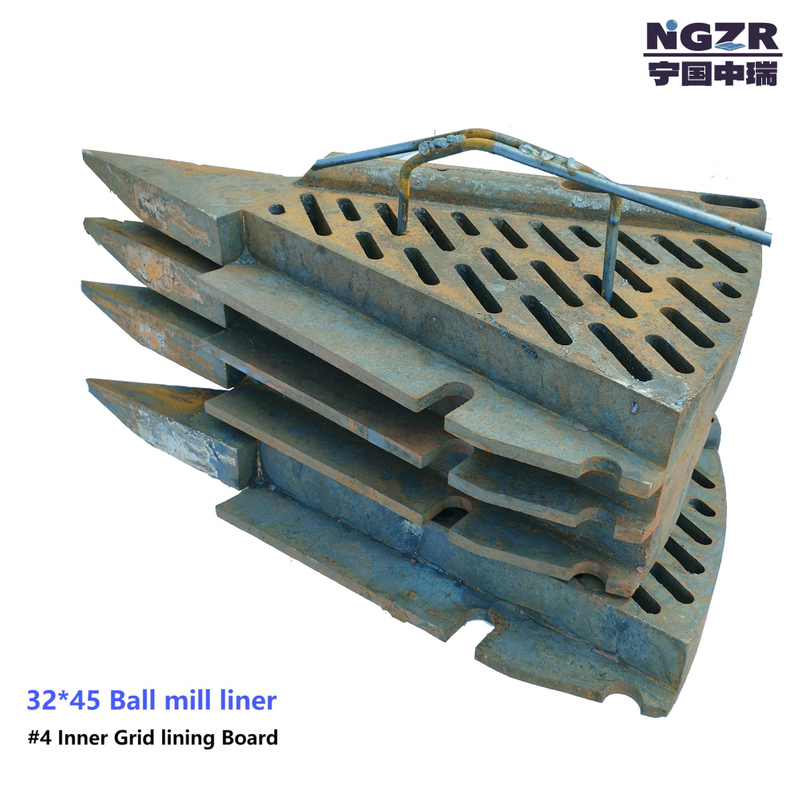
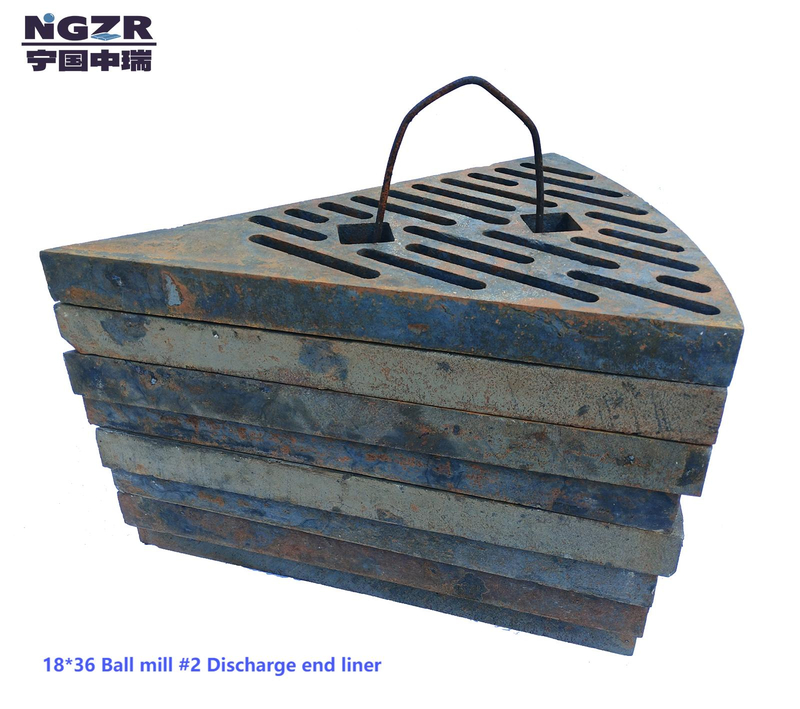
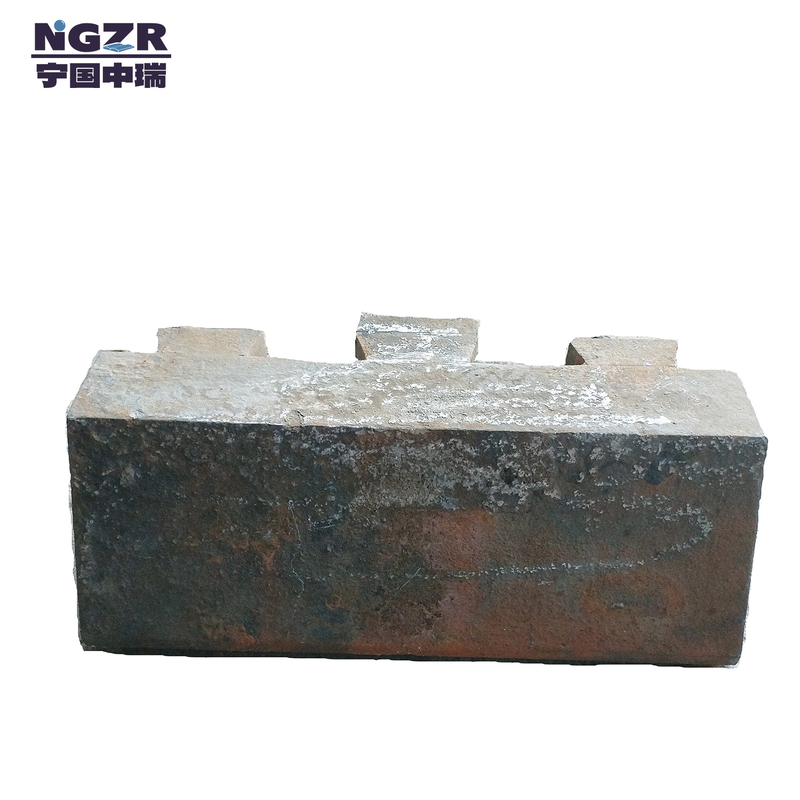
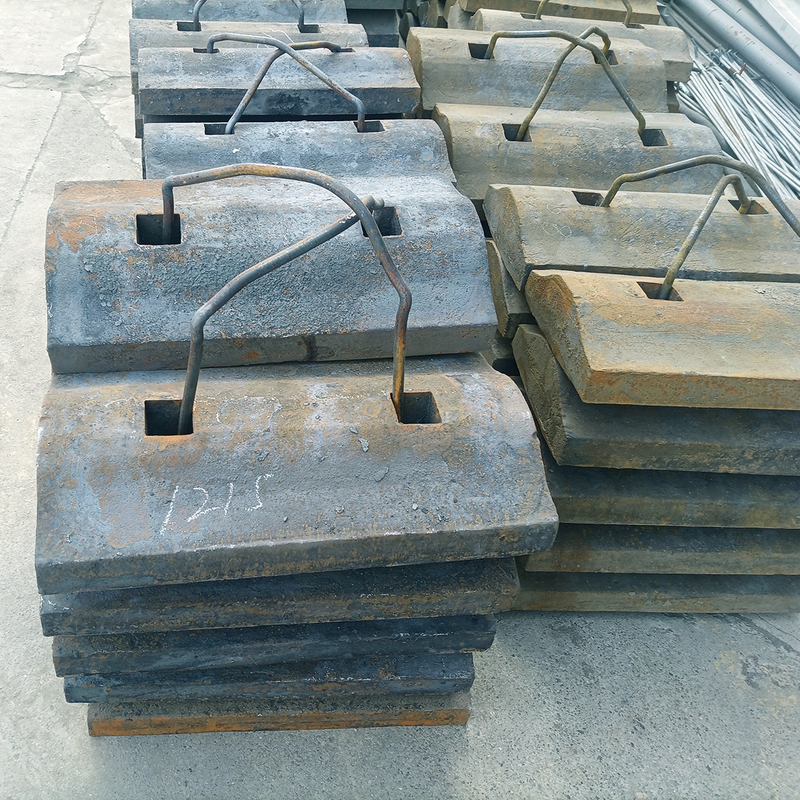
The primary function of a mill liner is to protect the grinding mill shell from the severe wear that occurs during grinding. Without liners, the mill shell would experience significant damage, leading to costly repairs and operational disruptions. By using durable liners, such as Mn-Cr alloy steel or rubber-based composites, mill owners can extend the lifespan of their equipment, ensuring reliable operation over the long term.
Choosing the right mill liner also has a significant effect on grinding efficiency. For example, wave liners can improve the movement of the grinding media, resulting in better grinding performance. A properly designed mill liner helps maintain an optimal grinding environment, resulting in higher throughput and lower energy consumption.
Using mill liners that are specifically designed for each grinding mill type helps reduce maintenance costs and prevents premature failure of components. This not only ensures the smooth operation of the mill but also reduces the risks associated with equipment malfunction.
Ball mills, one of the most common types of grinding mills, require robust and durable liners to withstand the heavy impacts from the grinding media. Ball mill liners can be made from various materials, such as:
High Manganese Steel Liners – Known for their toughness and resistance to heavy impacts.
Rubber Liners – Offer noise reduction and are more cost-effective in lighter-duty applications.
Each material type offers distinct advantages depending on the specific needs of the operation. High manganese steel is typically used in more aggressive grinding environments, whereas rubber liners are suitable for less abrasive applications.
SAG (Semi-Autogenous Grinding) mills are larger mills used for coarse grinding and require liners that can handle both impacts and abrasion. Rubber-MnCr alloy composite liners are commonly used in these mills due to their durability and ability to withstand severe impact conditions. The key to selecting the right liner for SAG mills lies in understanding the size, material, and operational conditions, including material hardness and ore type.
Vertical grinders, which are used in more specialized grinding applications, need liners that provide excellent wear resistance while being able to support vertical grinding forces. Liners for vertical grinders are often made from high-strength steel or composite materials that provide resistance to both impact and abrasive wear. These liners are particularly useful in industries like cement grinding, where high impact forces are involved.
High manganese steel is one of the most commonly used materials for mill liners due to its high toughness and resistance to wear. It is ideal for ball mills and SAG mills where heavy grinding media create high impacts. Manganese steel can withstand the wear and tear caused by the grinding media, while still maintaining its shape and structural integrity.
Rubber liners are a popular choice for mills that experience less severe grinding forces. These liners are lighter than steel, making them easier to install and replace. Rubber is particularly advantageous in applications where noise reduction and cost-effectiveness are priorities. It’s also used in SAG mills for applications with lower to medium impact forces.
Composite mill liners, which combine materials such as steel and rubber or Mn-Cr alloy steel, offer a balance of durability and cost-effectiveness. These liners are designed for applications that experience both high impact and abrasive forces, making them a popular choice for mills in the mining and cement industries.
Nickel-based alloys (Ni-hard) and Chromium-Molybdenum (Cr-Mo) steel are used in mills where high abrasion resistance is necessary. These materials can resist wear from hard minerals and coarse ores, making them ideal for vertical grinders and other grinding mills used in mineral processing.
The design of mill liners has a significant effect on the movement of grinding media. Properly designed liners help maintain an efficient grinding motion, ensuring that the grinding media (balls, rods, etc.) are optimally positioned for maximum impact and grinding efficiency. The shape, size, and arrangement of the liners play a key role in achieving the desired grinding motion.
Mill liners face various types of wear, including:
Impact Wear: Occurs when the grinding media strikes the liners with significant force.
Abrasion Wear: The result of continuous friction between the grinding media and the liners.
Fatigue Wear: Caused by the repetitive loading and unloading of grinding media.
Liner designs are often tailored to the specific grinding environment, including the type of material being processed and the size and speed of the mill. Understanding the type of wear that will occur in a given mill environment is key to selecting the right material and design.
When selecting a mill liner, consider factors such as:
Mill Type: Ball mill, SAG mill, vertical grinder, etc.
Material Type: The hardness and abrasiveness of the material being processed.
Liner Shape and Design: The role of the liner in facilitating efficient grinding media motion.
Operational Conditions: The speed and size of the mill, the load, and the environmental conditions.
Durability: The expected wear life of the liner and its maintenance requirements.
Monitoring the wear and tear of mill liners is crucial for ensuring the mill operates efficiently. Regular inspections can help identify when liners need to be replaced, reducing the risk of unexpected downtime. Techniques such as visual inspections, wear measurements, and impact testing are commonly used to track liner performance.
Typically, mill liners should be replaced when they have worn down to about 50-70% of their original thickness. Failing to replace liners at the appropriate time can lead to more severe damage to the mill shell and other components, resulting in higher repair costs and operational disruptions.
Mill liners are a critical component of grinding mills, playing an essential role in protecting the mill shell, improving grinding efficiency, and extending the operational life of the equipment. NGZR, with over 30 years of experience in manufacturing mill liners, offers a range of customized solutions to meet the specific needs of your operation. Whether you need ball mill liners, SAG mill liners, or vertical grinder liners, our expertise ensures you get the highest-quality products that enhance your mill’s performance and reliability.
Ball mill liners are designed for heavy-duty impact and abrasion resistance, while SAG mill liners are more focused on handling high impact forces and coarse grinding.
Mill liners should be replaced when their wear exceeds 50% of the original thickness, or if they show signs of cracks or severe damage.
Yes, poorly designed or worn-out mill liners can lead to reduced grinding efficiency, increased energy consumption, and poor milling performance.
Rubber liners are ideal for lower impact applications, such as in mills that process softer materials. For more aggressive grinding environments, steel or composite liners may be more appropriate.
Composite liners combine the advantages of both steel and rubber, offering durability, wear resistance, and cost-effectiveness for mills that experience both impact and abrasive wear.


