

Views: 0 Author: Site Editor Publish Time: 2025-10-17 Origin: Site


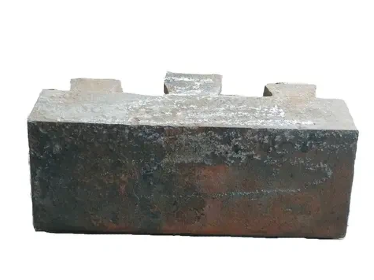
Mill liners are an essential component in the efficient operation of grinding mills, which are used in a wide range of industries such as mining, cement manufacturing, and power generation. These liners play a critical role in protecting the interior of mills from wear, enhancing grinding efficiency, and ensuring a longer lifespan for the equipment. Without mill liners, the milling process would be far less efficient, leading to increased operational costs, frequent maintenance, and reduced performance.
In this article, we’ll explore what mill liners are, their importance in grinding mills, the various types of mill liners, and how they contribute to overall grinding efficiency. We will also examine the factors that affect mill liner selection and maintenance to ensure that your grinding operations are as cost-effective and efficient as possible.
Mill liners are protective surfaces placed inside grinding mills. These liners are typically made from durable materials such as steel, rubber, or composite materials and are designed to prevent wear and tear on the internal components of a grinding mill, such as the mill shell. They also play a crucial role in optimizing the grinding process by controlling the motion of the grinding media and ensuring uniform material flow.
In simple terms, the primary function of a mill liner is to protect the mill shell from the abrasive forces generated by the grinding process. Without these liners, the constant friction and impact from grinding media like balls or rods could lead to premature damage to the mill shell, resulting in costly repairs and downtimes.
Mill liners do far more than just protect the mill shell. They play a significant role in optimizing the grinding process itself, which is crucial for industries where maximizing productivity and minimizing energy consumption are key priorities. Below are some of the main reasons why mill liners are essential for grinding efficiency.
As mentioned, the primary function of mill liners is to protect the mill shell. Grinding mills are exposed to a great deal of stress and wear during operation. The grinding media, whether balls or rods, repeatedly impact and grind the material, which can lead to abrasion and damage. Over time, this friction can erode the mill shell, reducing the mill's lifespan and causing mechanical failures.
Mill liners create a buffer between the grinding media and the mill shell, preventing direct contact and reducing wear on the mill. This not only extends the life of the mill but also minimizes the need for expensive repairs and downtime.
Mill liners are crucial for improving grinding efficiency because they control the movement of the grinding media and help ensure an even distribution of material. Different liner designs and materials can optimize the grinding process by:
Improving the motion of the grinding media: Liners influence the trajectory and flow of grinding media, which affects the grinding process. With the right liner design, grinding media can be kept in motion for longer, leading to better grinding performance.
Maintaining the correct grinding pressure: Proper liners help maintain optimal pressure within the mill, ensuring that the grinding media continues to crush material efficiently.
Optimizing the wear pattern: Liners that are well-designed will wear in a way that maximizes the efficiency of the grinding process. This ensures that the mill operates at peak efficiency for as long as possible.
Grinding mills are energy-intensive machines, and inefficient grinding can lead to excessive energy consumption. By improving grinding efficiency and reducing wear, the right mill liners can help reduce energy consumption and lower operational costs. When mill liners are well-maintained and properly designed, they help prevent energy losses associated with poor grinding conditions. This energy-saving effect can have a substantial impact on a facility’s bottom line.
The design and material of mill liners can help ensure the smooth and efficient flow of material through the grinding mill. Liners that optimize material flow reduce the chances of blockages, uneven wear, or material buildup that could slow down the grinding process. This helps increase throughput and ensures that material is ground uniformly, leading to more consistent and predictable results.
Although the initial cost of mill liners can seem significant, they are a cost-effective investment in the long run. By increasing the efficiency of the grinding process, reducing wear on the mill shell, and improving overall performance, high-quality mill liners help lower maintenance costs, reduce the frequency of mill repairs, and minimize the need for downtime. Additionally, their role in enhancing energy efficiency can lead to significant savings on electricity bills.
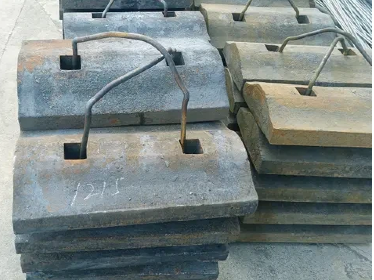
There are various types of mill liners designed for different mill configurations, grinding processes, and material types. The choice of mill liner depends on factors like the type of material being processed, the size of the grinding media, and the specific requirements of the operation. Here are the most common types of mill liners:
Steel liners are commonly used in grinding mills due to their strength and durability. They are ideal for applications involving heavy grinding media and hard materials. Steel liners can be classified into two main categories: high-chromium steel liners and low-alloy steel liners. High-chromium steel liners are used in applications where high wear resistance is needed, while low-alloy steel liners are better suited for operations with lighter grinding conditions.
Rubber liners are commonly used in wet grinding applications where corrosion resistance and noise reduction are important. Rubber liners provide excellent resistance to corrosion, and they are often used in mills processing materials such as chemicals, minerals, and food products. They also tend to be quieter than steel liners, making them ideal for noise-sensitive operations. However, rubber liners are generally not as durable as steel liners and may not be suitable for heavy-duty applications.
Composite liners combine the benefits of both steel and rubber liners. They consist of a steel base with a rubber or polyurethane surface. These liners offer superior wear resistance and are ideal for applications that require both impact and abrasion resistance. Composite liners are particularly popular in grinding mills used in mining operations, where heavy-duty liners are needed.
Polyurethane liners are known for their excellent wear resistance and are commonly used in mills processing light to medium-duty materials. They provide high flexibility and can be customized for specific mill configurations. Polyurethane liners are ideal for industries like food processing, chemicals, and pharmaceuticals, where contamination must be minimized.
When selecting the right mill liner for your operation, several factors must be considered:
Material being processed: The type of material being processed will dictate the kind of liner required. For example, abrasive ores may require high-chromium steel liners, while non-abrasive materials may benefit from rubber or composite liners.
Mill size and configuration: The size of the mill and the type of grinding media used will influence the design and material of the liner. Larger mills with heavier grinding media may require steel liners, while smaller mills can often use rubber or polyurethane liners.
Operating conditions: Factors like mill speed, loading, and temperature will affect the wear and tear on the liners. Understanding these conditions will help determine which type of liner is best suited to your specific needs.
Cost considerations: While steel liners are often the most expensive option upfront, they tend to be more durable and provide better value in the long term. Rubber and polyurethane liners may be less expensive initially, but they may not offer the same level of durability.
Proper maintenance of mill liners is crucial for ensuring that your grinding mill continues to operate efficiently. Regular inspections should be conducted to check for signs of wear, cracks, or damage. Worn-out liners should be replaced promptly to prevent unnecessary damage to the mill shell and maintain optimal grinding conditions.
Additionally, proper lubrication, cleaning, and alignment of the liners can help extend their lifespan and improve their performance. The frequency of liner replacements depends on the nature of the material being processed, the operating conditions, and the type of liner used.
Mill liners are essential components of grinding mills that significantly impact grinding efficiency, energy usage, material flow, and overall mill performance. The right mill liner not only protects the mill shell but also contributes to improved grinding efficiency, cost savings, and increased operational longevity. Whether you’re working with steel, rubber, composite, or polyurethane liners, selecting the right type and maintaining them properly is key to maximizing your investment in grinding mill equipment.
Proper maintenance of mill liners is crucial for ensuring that your grinding mill continues to operate efficiently. Regular inspections should be conducted to check for signs of wear, cracks, or damage. Worn-out liners should be replaced promptly to prevent unnecessary damage to the mill shell and maintain optimal grinding conditions. Additionally, proper lubrication, cleaning, and alignment of the liners can help extend their lifespan and improve their performance. The frequency of liner replacements depends on the nature of the material being processed, the operating conditions, and the type of liner used.


