

Views: 0 Author: Site Editor Publish Time: 2025-10-17 Origin: Site


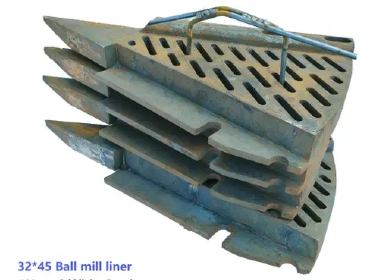
Mill liners play a critical role in the efficiency and performance of grinding mills, serving as a protective layer between the grinding media and the mill shell. These liners help optimize the grinding process by facilitating better material flow, enhancing grinding efficiency, and minimizing wear on the mill's structure. The materials used to manufacture these liners are crucial to achieving the desired performance, longevity, and overall functionality of the mill.
In this article, we will explore the different materials commonly used in mill liners, from steel and rubber to composite options, discussing their advantages and limitations. Understanding the differences between these materials will help businesses make informed decisions about which type of mill liner is best suited to their operations, ensuring greater productivity, energy efficiency, and cost-effectiveness.
Before diving into the specific materials used for mill liners, it is important to understand their purpose. Mill liners are designed to protect the mill shell from damage caused by the grinding media (such as balls, rods, or other media) as well as the material being processed. The liners absorb the friction and impact that occur during the grinding process, thereby extending the lifespan of the mill and reducing maintenance costs.
Beyond protection, mill liners also serve to facilitate the grinding process itself. Well-designed liners promote the proper movement of the grinding media, improving grinding efficiency and ensuring consistent material flow. The choice of material for the liners, therefore, directly impacts the performance of the grinding mill and the efficiency of the overall operation.
Mill liners are available in various materials, each with distinct characteristics that suit different types of grinding mills and processing environments. The most common materials used in mill liners include steel, rubber, composite, and polyurethane. Let’s take a closer look at each of these materials, highlighting their key properties and benefits.
Steel is one of the most widely used materials for mill liners due to its strength, durability, and resistance to wear. Steel liners are especially common in mills that process hard and abrasive materials, such as ores and minerals. There are two main types of steel used for mill liners: carbon steel and alloy steel.
Carbon Steel Liners: Carbon steel is a cost-effective option for less abrasive grinding applications. It is typically used in mills processing softer materials, where wear resistance is less of a concern.
Alloy Steel Liners: Alloy steel, often combined with elements like chromium, manganese, or molybdenum, is more resistant to wear and impact, making it ideal for heavy-duty applications where the grinding media and material being processed are more abrasive.
Advantages of Steel Mill Liners:
High Durability: Steel liners are highly resistant to wear and impact, making them suitable for high-volume operations.
Long Service Life: Due to their toughness and resistance to abrasion, steel liners generally offer a longer service life in hard material processing.
Cost-Effectiveness: Steel liners are often less expensive than composite options, making them a popular choice for budget-conscious operations.
Disadvantages of Steel Mill Liners:
Higher Friction: Steel liners can increase friction in the grinding process, which may lead to higher energy consumption.
Vibration and Noise: Steel liners tend to generate more vibration and noise during operation, which may not be ideal in noise-sensitive environments.
Heavy Weight: Steel liners are generally heavier than rubber or composite liners, making handling and installation more difficult.
Rubber mill liners are commonly used in wet grinding applications, particularly in industries where corrosion resistance and noise reduction are important. Rubber liners are typically used for grinding processes involving less abrasive materials, such as in the cement industry, or where noise and vibration reduction are prioritized.
Advantages of Rubber Mill Liners:
Corrosion Resistance: Rubber liners are highly resistant to corrosion, which is particularly beneficial in wet grinding applications where the grinding media and material are exposed to water or chemical solutions.
Noise Reduction: Rubber liners help absorb vibrations and reduce noise during grinding, creating a quieter and more comfortable working environment.
Lightweight: Rubber liners are much lighter than steel, making them easier to handle and install.
Flexibility: Rubber liners can be molded into complex shapes, allowing for better design customization and a more precise fit inside the mill.
Disadvantages of Rubber Mill Liners:
Lower Wear Resistance: Rubber liners are not as durable as steel liners and may wear out more quickly when processing abrasive materials.
Limited Use: Rubber liners are best suited for less abrasive or lighter grinding operations, making them unsuitable for high-impact applications.
Cost: While generally less expensive than steel liners, rubber liners may not provide the same value in industries requiring high wear resistance.
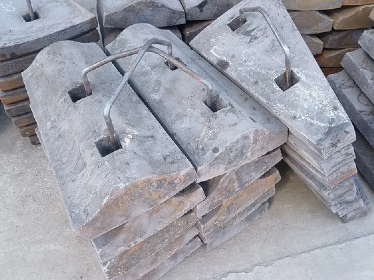
Composite mill liners combine the benefits of both rubber and steel to create a hybrid solution. These liners typically consist of a steel core or frame that is covered with a rubber or polyurethane coating. Composite liners are designed to offer enhanced wear resistance while maintaining the flexibility and noise-reducing benefits of rubber.
Advantages of Composite Mill Liners:
Combination of Strength and Flexibility: Composite liners combine the durability of steel with the flexibility and corrosion resistance of rubber, making them suitable for a wide range of applications.
Reduced Maintenance Costs: The wear-resistant properties of composite liners help reduce maintenance costs, as they can last longer than rubber liners and do not wear as quickly as steel liners.
Better Wear Resistance: The outer layer of rubber or polyurethane helps to reduce wear and tear on the mill shell, while the steel core provides added strength.
Noise and Vibration Reduction: Like rubber liners, composite liners also help to reduce vibration and noise, creating a quieter operating environment.
Disadvantages of Composite Mill Liners:
Higher Initial Cost: Composite liners tend to be more expensive than rubber or steel liners due to their hybrid construction and advanced materials.
Complex Manufacturing: The production of composite liners involves more complex manufacturing processes, which can increase the time and cost required for production and installation.
Polyurethane is another material used for mill liners, particularly in environments where chemical resistance and abrasion resistance are essential. Polyurethane liners are more commonly used in wet grinding processes or for grinding materials that involve high-speed impact.
Advantages of Polyurethane Mill Liners:
Chemical Resistance: Polyurethane liners offer excellent resistance to chemical exposure, making them suitable for mills that process materials with acidic or alkaline properties.
Wear Resistance: Polyurethane has better wear resistance than rubber and can withstand higher levels of impact, making it suitable for moderate to heavy-duty grinding applications.
Energy Efficiency: Polyurethane liners are designed to reduce friction, which helps improve energy efficiency and reduces overall power consumption during grinding.
Disadvantages of Polyurethane Mill Liners:
Cost: Polyurethane liners are often more expensive than rubber liners, although they are generally cheaper than composite liners.
Limited Use in Heavy-Duty Applications: While polyurethane liners are durable, they may not be suitable for the heaviest grinding operations, where steel liners or composite options are preferred.
The material used for mill liners is essential for optimizing grinding mill performance, efficiency, and longevity. Choosing the right liner material—whether steel, rubber, composite, or polyurethane—depends on factors such as the type of material being processed, mill type, operating conditions, and budget. Steel liners are ideal for heavy-duty applications, rubber liners excel in wet grinding and noise reduction, while composite and polyurethane liners offer a hybrid solution, combining the strengths of both materials.
Understanding the advantages of each material helps businesses select the best option to enhance grinding efficiency, minimize downtime, and reduce maintenance costs. Anhui Ningguo Zhongrui Wear-resisting Material Co., Ltd. specializes in high-quality mill liners designed to meet the unique needs of various industries, ensuring improved grinding performance and extended mill life.


