

Views: 0 Author: Site Editor Publish Time: 2025-10-17 Origin: Site


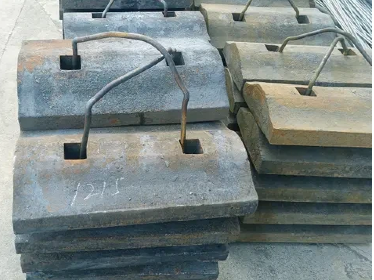
Mill liners play a crucial role in the operation of grinding mills, which are widely used in various industries such as mining, cement production, and power generation. These liners are not just protective surfaces inside the mill, but they also help in optimizing the grinding process, improving energy efficiency, and ensuring the longevity of the equipment. With different types of mill liners available in the market, it is essential to select the right one for your specific grinding mill to achieve optimal performance and reduce operational costs.
In this article, we will explore the different types of mill liners, how they impact the performance of your grinding mill, and provide guidance on choosing the right liner for your application.
Mill liners are the protective covers or coatings that line the inner walls of a grinding mill. They are designed to protect the mill shell from the abrasive wear caused by the grinding process, in which grinding media (balls, rods, or other types) impact the material being processed. In addition to their protective function, mill liners also serve to optimize the grinding process by controlling the movement of the grinding media and the material within the mill.
By choosing the correct type of mill liner, companies can significantly improve the grinding efficiency, extend the life of the mill, and reduce energy consumption.
Mill liners are important for several reasons:
Protecting the Mill Shell: The primary function of a mill liner is to protect the mill shell from the grinding media and the material being processed. The continuous impact and friction could otherwise cause significant wear and damage to the mill shell, leading to costly repairs and downtime.
Optimizing the Grinding Process: Mill liners help control the movement of the grinding media within the mill. Their design can influence the grinding action, material flow, and the size reduction process. A well-designed liner improves the efficiency of the mill by ensuring better contact between the media and the material.
Enhancing Energy Efficiency: A good liner design reduces energy consumption by making the grinding process more efficient. Proper liners minimize unnecessary friction and allow the grinding media to work more effectively, resulting in lower energy costs for the mill operation.
Improving Material Flow: Liners that promote better material flow through the mill can increase throughput, leading to higher production and fewer blockages. Effective material flow also ensures a more uniform grinding process.
Minimizing Noise and Vibration: Some mill liners are designed to reduce noise and vibration during operation. This is particularly important in noise-sensitive industries, as reducing noise can improve workplace conditions and prevent hearing damage to operators.
There are several types of mill liners, each designed for specific grinding applications. The choice of liner depends on factors such as the type of material being processed, the size of the grinding mill, the type of grinding media used, and the operating conditions. The main types of mill liners are:
Steel mill liners are one of the most common types used in grinding mills. These liners are made from high-quality steel, often alloyed with other metals to improve wear resistance and durability. Steel liners can be classified into different categories based on their composition:
High-Chromium Steel Liners: These liners are used in mills processing harder materials. The high chromium content makes the liners highly resistant to abrasion and wear. They are ideal for applications involving tough, abrasive ores.
Low-Alloy Steel Liners: These liners are used for lighter grinding operations. They are more cost-effective than high-chromium steel liners but offer less wear resistance. They are commonly used in mills with softer ores or for applications where grinding efficiency is less of a concern.
Advantages:
Excellent wear resistance, especially with high-chromium alloys.
Suitable for heavy-duty grinding operations.
Durable, long-lasting performance.
Disadvantages:
Heavier and more expensive than other liner materials.
Require more energy for installation due to their weight.
Rubber mill liners are used in applications where corrosion resistance, noise reduction, and wear resistance are important factors. These liners are made from rubber compounds, often reinforced with steel or other materials for added strength. Rubber liners are commonly used in wet grinding operations, such as in the processing of chemicals, minerals, and food products.
Advantages:
Excellent corrosion resistance, particularly in wet grinding environments.
Quieter operation due to noise reduction properties.
Lighter than steel liners, which makes installation easier and faster.
Can be customized for specific applications.
Disadvantages:
Less durable than steel liners, particularly in heavy-duty operations.
Not suitable for high-impact or high-temperature grinding conditions.
May not perform well in very abrasive applications.
Composite liners combine the best features of steel and rubber liners. They are typically made of a steel base with a rubber or polyurethane surface. This combination provides superior wear resistance and impact strength, making composite liners ideal for heavy-duty grinding operations where both impact and abrasion resistance are required.
Advantages:
Offers a balance of the benefits of steel and rubber.
High wear resistance and impact strength.
Lighter than full steel liners, reducing operational strain.
Good corrosion resistance when used in wet or chemical environments.
Disadvantages:
Can be more expensive than traditional steel or rubber liners.
The bond between the steel and rubber may degrade over time, reducing the lifespan of the liner.
Polyurethane mill liners are another type of composite liner used in mills. These liners are made from polyurethane material, which is known for its excellent wear resistance and impact resistance. Polyurethane liners are particularly suitable for industries where noise reduction, wear resistance, and durability are critical, such as in food processing, pharmaceuticals, or chemical production.
Advantages:
Excellent wear and abrasion resistance.
Reduces noise and vibrations, creating a quieter working environment.
Provides good resistance to corrosion and chemicals.
Lightweight compared to steel liners, making installation easier.
Disadvantages:
Can be more expensive than rubber liners.
May not offer the same level of durability as steel liners in heavy-duty applications.
Welded liners are typically used for mills that experience extreme wear conditions or heavy-duty grinding operations. These liners are often made from high-carbon steel and are welded onto the mill shell. Welded liners can be designed to be more complex and customized for specific applications.
Advantages:
Can be customized to meet specific operational needs.
Provide a high level of impact and abrasion resistance.
Ideal for extremely abrasive and heavy-duty grinding.
Disadvantages:
Requires skilled labor for installation and welding.
Can be more expensive due to customization.
May not be suitable for all types of mills.
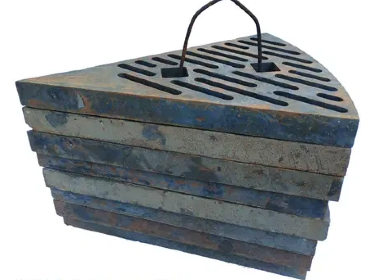
Choosing the right mill liner depends on several factors, including the material being processed, the size and configuration of the mill, the type of grinding media used, and the operating conditions. Here are some important considerations:
Material Being Processed: Harder, more abrasive materials require liners that offer higher wear resistance, such as high-chromium steel liners or composite liners. Softer materials may require rubber or polyurethane liners.
Mill Size and Configuration: Larger mills or mills operating at high speeds may require heavier and more durable liners. Smaller mills, especially those used for lighter grinding, may benefit from lighter rubber or composite liners.
Grinding Media Type: The type of grinding media (e.g., balls, rods, or pebbles) affects the liner design. For example, high-chromium steel liners are best suited for mills using heavy steel balls, while rubber liners may be better for mills using lighter media.
Operating Conditions: Factors such as temperature, humidity, and chemical exposure can affect the performance of mill liners. Wet grinding processes often use rubber or polyurethane liners, while dry grinding applications may require steel or composite liners.
Cost Considerations: While steel liners tend to be more expensive, they offer superior durability and longer lifespan. Rubber liners are often less expensive upfront but may need more frequent replacements in heavy-duty operations.
Choosing the right mill liner is essential for ensuring efficient, cost-effective, and safe grinding operations. Mill liners protect the mill shell, optimize the grinding process, and contribute to energy savings, making them a critical component of any grinding mill system. By understanding the different types of mill liners available and considering factors such as material type, mill size, and operating conditions, you can select the right liner to maximize the efficiency and lifespan of your grinding mill.


