

Views: 0 Author: Site Editor Publish Time: 2025-10-17 Origin: Site


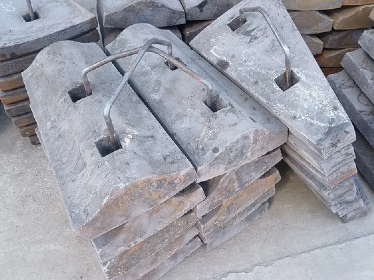
Grinding mills are a critical part of many industries, from mining and cement production to recycling and metallurgy. One of the key components of any grinding mill is its liners. Mill liners are essential for protecting the mill’s structure from wear and tear, improving grinding efficiency, and enhancing the overall performance of the mill. Among the various types of liners, steel mill liners and rubber mill liners are two of the most commonly used materials. Each has its own set of advantages and limitations, making the choice between the two a critical decision for mill operators.
In this article, we will explore the differences between steel and rubber mill liners, their respective advantages and drawbacks, and help you determine which liner type is best suited for your grinding mill. Understanding these differences will allow you to make an informed decision that maximizes mill efficiency, minimizes costs, and ensures longevity.
Before diving into the specifics of steel and rubber liners, it’s important to understand what mill liners are and their role in grinding mills. Mill liners are protective covers or layers placed inside the grinding mill to protect the mill shell from damage due to wear, corrosion, and impact from the grinding media (balls, rods, etc.). They also play an essential role in ensuring the correct movement and flow of the material and grinding media within the mill.
Linings inside a mill are designed not just to protect the shell but also to facilitate the grinding process by helping to control the movement of materials, assisting in the breakdown of the material, and improving the overall grinding efficiency.
Steel mill liners are traditionally used in grinding mills, particularly in industries where high impact and abrasion resistance are essential, such as in mining and cement production. Steel liners come in various forms, including high-carbon steel, alloy steel, and stainless steel, depending on the specific requirements of the mill and the material being processed.
Durability and Strength: Steel liners are incredibly durable and strong, making them ideal for heavy-duty applications. They can withstand high-impact forces and abrasive materials, ensuring a longer lifespan, even under tough operating conditions.
Cost-Effectiveness: Steel liners are generally cheaper upfront than rubber liners, especially in heavy-duty applications. For companies with high-volume grinding operations, steel liners are a cost-effective option that offers long-term savings.
Better for Hard Materials: Steel liners excel in applications where harder, more abrasive materials are being processed. They can resist wear caused by these materials better than rubber, which may degrade faster in such environments.
High Impact Resistance: Steel liners can withstand significant impacts, making them suitable for mills that handle coarse materials or work under high pressure.
Temperature Resistance: Steel is well-suited to high-temperature environments, making it a preferred option for industries that involve high heat generation during grinding, such as metal processing and cement production.
High Friction and Noise: Steel liners tend to generate more friction than rubber liners, which can lead to higher energy consumption. They are also louder, making them less ideal for environments where noise reduction is necessary.
Weight and Installation: Steel liners are heavy, which can make installation and maintenance more difficult. The weight also increases the overall load on the mill structure, which may require additional support.
Higher Maintenance Costs: While steel liners last longer than rubber liners, they can be more expensive to replace and maintain, particularly when the mill operates in abrasive conditions.
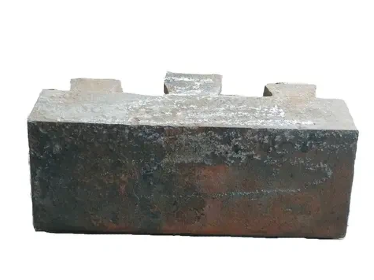
Rubber mill liners, on the other hand, are made from high-quality elastomers, such as natural rubber, polyurethane, or other polymer materials, which offer excellent resilience and flexibility. Rubber liners are commonly used in industries that focus on wet grinding applications, where corrosion resistance and noise reduction are crucial.
Noise Reduction: Rubber liners are much quieter than steel liners, making them ideal for environments where noise levels are a concern. This is particularly beneficial for industries that require a quieter working environment.
Reduced Friction: Rubber liners create less friction than steel, which can lead to improved energy efficiency and reduced power consumption. This makes rubber liners a more energy-efficient option, especially in mills that process softer materials.
Corrosion Resistance: Rubber is resistant to corrosion and can handle wet grinding environments better than steel. For mills processing materials in high-moisture or chemically reactive conditions, rubber liners are a more suitable choice.
Flexibility and Customization: Rubber liners can be easily molded to fit different mill sizes and shapes, offering greater flexibility in terms of design and installation. They can be manufactured to match the specific needs of the grinding process, optimizing performance.
Lower Maintenance Costs: Rubber liners are easier to install and replace than steel liners. Their lighter weight makes handling and maintenance more straightforward, reducing labor and downtime. Additionally, because they are more resilient to wear in specific applications, they can have a longer service life than expected.
Less Durability in Heavy-Duty Applications: Rubber liners are not as durable as steel liners in high-impact or highly abrasive grinding environments. They tend to wear out faster when processing hard, coarse materials.
Limited Temperature Resistance: Rubber is not as heat-resistant as steel. In high-temperature operations, rubber liners may degrade more quickly, which limits their use in industries like cement production or metal grinding.
Higher Initial Cost for Certain Applications: While rubber liners are generally cheaper than steel liners for certain applications, they may have a higher initial cost for heavy-duty, long-term grinding operations.
The choice between steel and rubber mill liners depends on several key factors. To help you make the right decision, consider the following factors:
If you’re processing highly abrasive or hard materials like rocks, ores, or minerals, steel liners may be more suitable due to their superior durability. However, if you’re working with less abrasive or softer materials, rubber liners can provide significant benefits, including lower energy costs and quieter operations.
If your grinding process involves wet conditions or exposure to chemicals, rubber liners may offer better resistance to corrosion and longer-lasting performance. For dry grinding or high-temperature environments, steel liners are likely a better choice.
Steel liners are generally more cost-effective for heavy-duty applications, but rubber liners may provide better value in the long run for specific applications where energy efficiency, noise reduction, and corrosion resistance are important.
Rubber liners are more energy-efficient because they generate less friction, reducing power consumption. If reducing operational costs and improving efficiency are priorities, rubber liners may be the right choice.
Steel liners offer longer durability in high-impact conditions, but they can be more difficult and costly to maintain. Rubber liners, while potentially offering lower durability in harsh conditions, are easier to replace and maintain.
Both steel and rubber mill liners offer unique advantages, and the choice between the two ultimately depends on the nature of your grinding operations. Steel liners are more durable and cost-effective for heavy-duty and abrasive grinding processes, while rubber liners excel in wet grinding, noise reduction, and energy efficiency.
By considering the specific needs of your grinding mill, including material types, grinding conditions, and operational goals, you can select the right mill liner material for your business. Understanding the benefits and limitations of each option will help you maximize grinding performance, reduce operational costs, and improve the lifespan of your grinding equipment.


