

Views: 0 Author: Site Editor Publish Time: 2025-10-17 Origin: Site


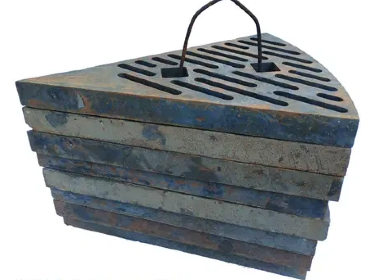
Mill liners are vital components in grinding mills, as they significantly affect the performance, efficiency, and longevity of grinding equipment. These liners, which line the inside of the mill shell, serve various purposes: protecting the mill shell from damage, optimizing the grinding process, and ensuring the proper flow of materials and media within the mill. In industries like mining, cement manufacturing, and power generation, understanding the importance of mill liners and how they impact mill performance can result in significant cost savings and operational efficiencies.
In this article, we will explore the various ways in which mill liners influence the lifespan and performance of grinding equipment. We will discuss the types of liners available, the impact of liner material on performance, how liners contribute to energy efficiency, and the key considerations when choosing and maintaining mill liners for optimal performance.
The primary function of mill liners is to protect the grinding mill's shell from damage caused by the grinding process. Without liners, the constant friction between the grinding media (balls, rods, or other media) and the material being processed would wear down the mill shell over time, leading to costly repairs or replacements. Mill liners, therefore, serve as a sacrificial barrier that absorbs the wear and tear from the grinding media, helping to extend the life of the mill shell.
However, mill liners do much more than simply protect the shell. Their design and material composition can also significantly affect the mill's efficiency, throughput, and overall performance. A well-designed liner optimizes the motion of the grinding media, facilitates effective material flow, and reduces unnecessary friction, all of which contribute to improved grinding efficiency.
There are several types of mill liners, each designed for specific types of mills and grinding applications. The most common types of mill liners include:
Steel Mill Liners: Steel liners are widely used due to their durability and resistance to wear. High-chromium steel liners are commonly used in mills processing hard materials, while low-alloy steel liners are used for softer grinding operations. Steel liners are robust and can withstand heavy-duty grinding conditions, making them suitable for use in large-scale industrial mills.
Rubber Mill Liners: Rubber liners are used in wet grinding applications where corrosion resistance is important. Rubber provides excellent protection against corrosion and can reduce noise and vibration during operation. These liners are often lighter and easier to handle than steel liners, but they may not be as durable in high-impact applications.
Composite Mill Liners: Composite liners are made from a combination of materials, usually incorporating steel and rubber or polyurethane. These liners combine the strength and durability of steel with the corrosion resistance and flexibility of rubber or polyurethane, offering an ideal solution for mills that require both wear resistance and corrosion resistance.
Polyurethane Liners: Polyurethane liners are highly resistant to abrasion and corrosion and are often used in environments where chemical exposure is a concern. These liners are also used in wet grinding operations and are preferred when noise reduction is a priority.
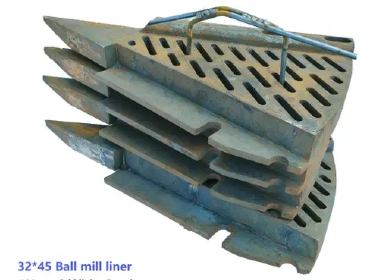
Mill liners have a direct influence on the grinding mill's performance in the following ways:
The design and material of mill liners play a key role in how efficiently the grinding media interacts with the material being processed. Liner design affects the flow pattern of both the material and the grinding media within the mill. A properly designed liner promotes smooth and consistent movement of the grinding media, ensuring better contact between the media and the material being ground.
For example, liners with lifters (raised sections) help lift the grinding media and material, allowing them to fall more effectively and impact the material. This enhances the grinding process by ensuring a more efficient break-up of particles. If the liners are poorly designed, the grinding media may not move properly, leading to inefficient grinding and wasted energy.
The type of mill liner can have a significant impact on the energy consumption of the grinding process. Mills with poorly designed or worn-out liners experience higher levels of friction, which leads to increased energy consumption. In contrast, liners designed to reduce friction and optimize the grinding process help improve energy efficiency by ensuring that the grinding media moves more freely and effectively within the mill.
For instance, rubber liners, being lighter and less prone to friction, can help reduce the overall energy consumption of the mill. This is particularly beneficial for wet grinding operations, where steel liners might increase the friction between the mill and the slurry, resulting in higher energy costs. Choosing the right liner material can, therefore, contribute to significant energy savings over time.
One of the primary reasons for using mill liners is to protect the mill shell from the abrasive forces generated during grinding. Over time, the grinding media and material being processed wear down the liners, especially in high-impact environments. High-quality liners with superior wear resistance ensure that the mill shell is well protected, reducing the need for frequent replacements and maintenance.
In industries like mining, where hard rocks and ores are processed, the wear and tear on liners can be substantial. High-chromium steel liners are often used in such applications due to their ability to resist abrasion. On the other hand, rubber liners are more commonly used in lighter grinding operations where wear resistance is less critical.
The durability of the liners also directly impacts the overall lifespan of the grinding mill. Properly maintained and high-quality liners extend the life of the mill shell and reduce downtime caused by repairs and replacements.
Effective mill liners help optimize the material flow inside the mill, ensuring that the ground material is efficiently moved out of the mill. This is particularly important in high-throughput mills, where large quantities of material need to be processed quickly. If the material flow is obstructed by poorly designed or worn-out liners, the mill's throughput will be reduced, leading to lower production rates.
Well-designed liners improve the overall material flow by promoting smoother transitions and ensuring that the grinding media moves in a way that encourages efficient grinding. This increases the mill's capacity and reduces the likelihood of blockages or buildup within the mill.
In mills where noise and vibration control are important, such as in environments that require quieter operation, the design of the mill liners can make a significant difference. Rubber and polyurethane liners, in particular, help dampen vibrations and reduce noise, creating a more comfortable and safe working environment.
High levels of noise and vibration can cause operator fatigue and increase the risk of hearing damage over time. By using noise-reducing mill liners, operators can work in a safer environment, and the mill can run more smoothly.
When selecting mill liners, there are several factors to consider to ensure optimal performance and longevity:
Material of the Liner: Consider the type of material being processed, as well as the type of grinding media and mill. Harder, more abrasive materials require liners made of more durable materials, such as high-chromium steel. For less abrasive materials, rubber or composite liners may be sufficient.
Grinding Environment: If the mill is used for wet grinding or operates in corrosive environments, consider using liners made of rubber or polyurethane, as these materials offer better resistance to corrosion and wear in wet conditions.
Mill Size and Type: Larger mills or mills that process heavy-duty materials may require more robust liners, such as steel or composite liners, while smaller mills may benefit from lighter materials.
Cost vs. Durability: While rubber and composite liners are often less expensive, they may need to be replaced more frequently than steel liners. Consider the total cost of ownership, including maintenance and replacement, when making your decision.
Maintenance Requirements: Regular maintenance of mill liners is crucial for ensuring that the mill operates efficiently. Worn-out liners should be replaced promptly to avoid excessive wear on the mill shell and prevent downtime.
Mill liners are integral to the performance and longevity of grinding mills. The right liner material and design can optimize the grinding process, reduce energy consumption, enhance wear resistance, improve material flow, and minimize downtime. Whether you are working with steel, rubber, composite, or polyurethane liners, choosing the right type of liner for your specific grinding operation can significantly improve mill performance and lower operating costs.
By understanding how different types of mill liners impact the lifespan and efficiency of grinding equipment, businesses can make more informed decisions about their grinding mill systems, leading to improved productivity, reduced maintenance costs, and longer-lasting equipment.


